Start with the slope and purpose
Retaining walls can make sloped land more useful, hold back soil and contribute to the appearance of a residential or commercial property. Planning one means considering the ground, drainage, adjoining structures and the way the space will be used. This guide compares wall types, materials, installation questions and maintenance topics to discuss with the appropriate professionals.
What the retaining wall needs to do
Soil Erosion Control
One of the fundamental purposes of a retaining wall is to combat soil erosion, a common menace that threatens the structural integrity and beauty of landscapes. Erosion is not discriminatory; it wreaks havoc in both residential and commercial spaces. Retaining walls act as barriers, holding back soil and preventing it from washing away during rains or due to gravitational pull.
Aesthetic Appeal
Beyond the functional, retaining walls are architectural artworks. They offer landscapers a canvas to imprint their creativity, transforming ordinary spaces into visual spectacles. The choice of materials, designs, and placement of these walls can drastically elevate the aesthetic value of a property.
Creating Usable Land
Retaining walls are instrumental in terrain manipulation, converting sloped and uneven landscapes into flat, usable spaces. For homeowners eyeing that extra space for a garden, patio, or any outdoor feature, these walls are the unsung heroes that make such transformations possible.
Types of Retaining Walls
Gravity Retaining Walls
Gravity walls rely substantially on their mass to resist retained soil. Concrete, stone and other systems may be considered. Suitability depends on the wall system, dimensions, site and design rather than a simple assumption that every short wall can be built the same way.
Cantilever Retaining Walls
Cantilever walls use a structural wall and footing arrangement designed to resist the retained loads. They are an engineering topic for the particular site, not a universal choice for large or commercial properties.
Anchored Retaining Walls
Anchored systems use additional support elements as part of a designed wall. Ground conditions, property boundaries, adjacent construction and installation access affect their feasibility. Their inclusion in this guide does not mean Capitol Concrete constructs every specialized wall system.
Sheet-Pile Walls
Sheet-pile systems may be considered in specialized ground-retention work. Soil conditions, adjacent structures, installation effects and the wall design require professional review; a tight site or soft ground alone is not enough to select the system.
Compare wall materials and care
Concrete
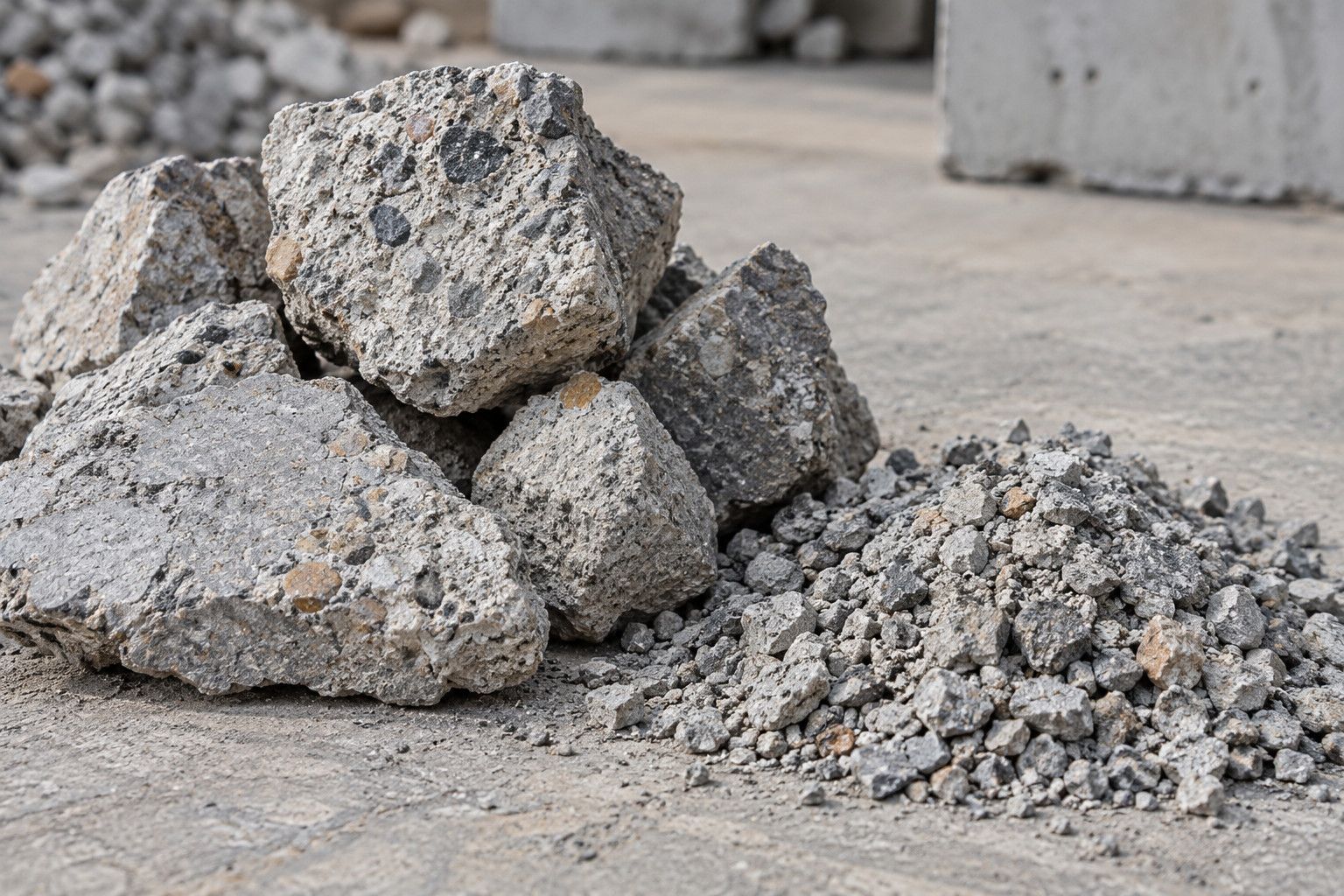
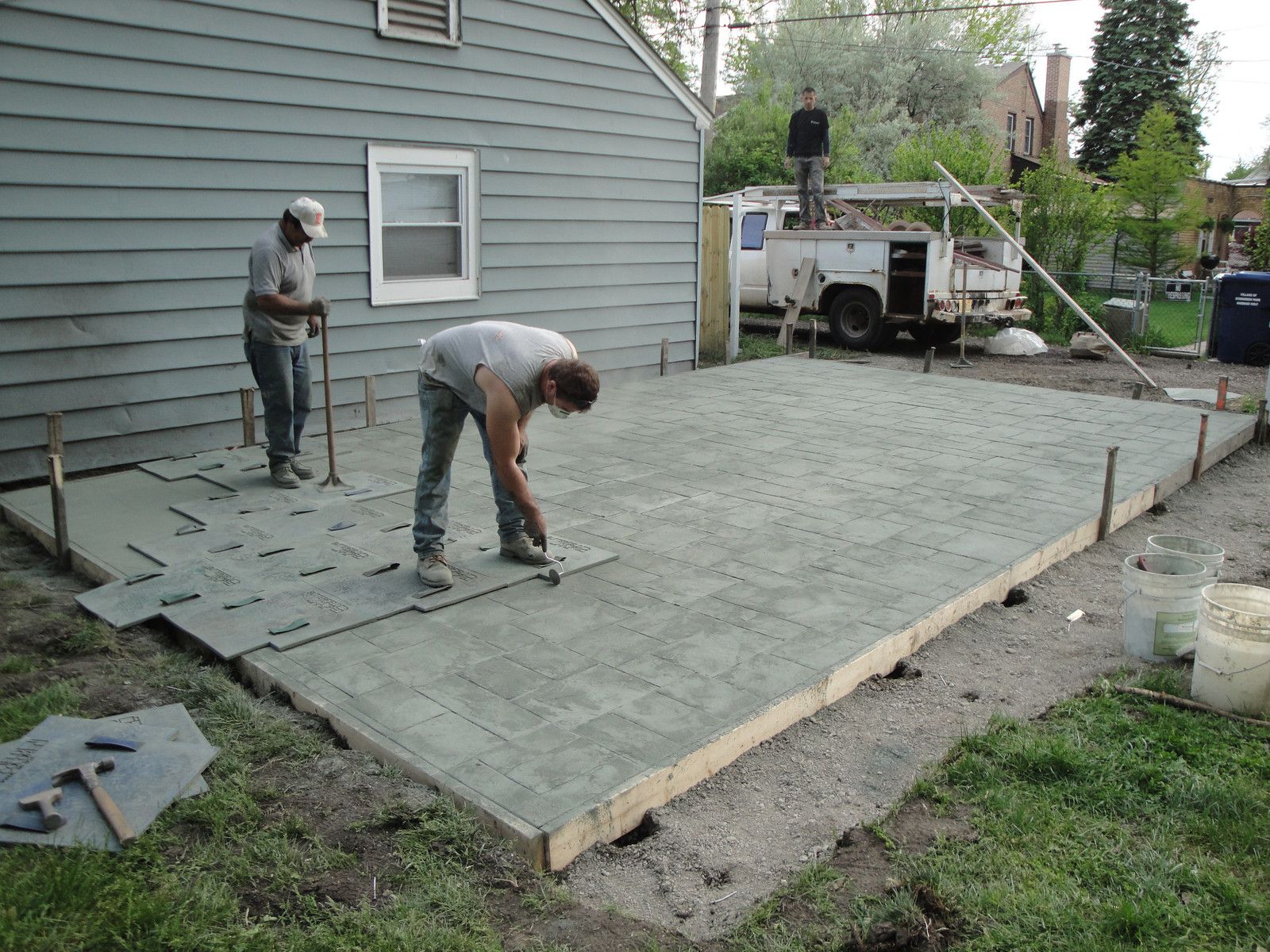
Concrete and manufactured concrete units offer several wall-system options. Compare the appearance, specification, design requirements and maintenance of the proposed system. Material strength alone does not determine the stability of the finished wall.
Stone and Brick
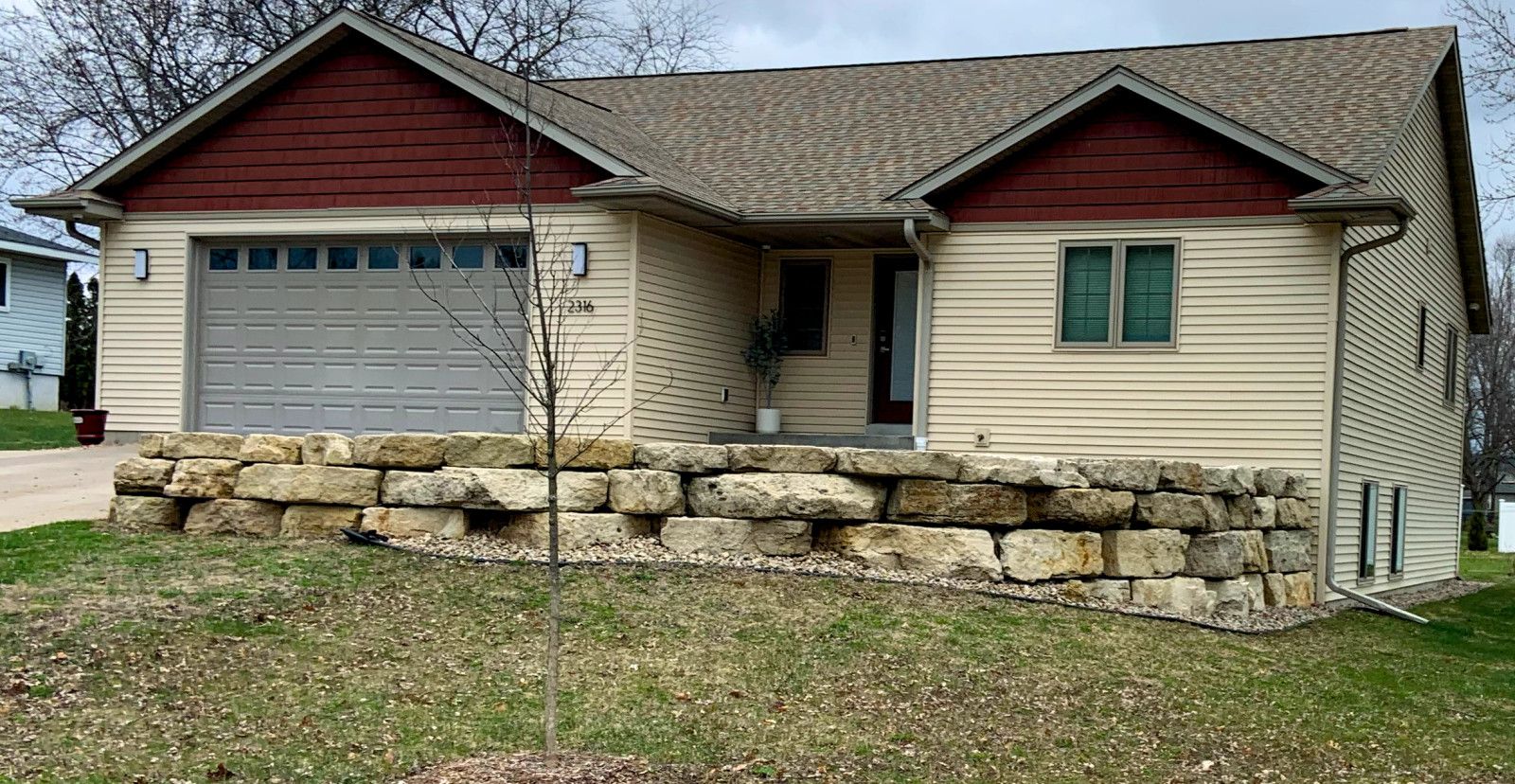
For property owners looking to add a touch of classic elegance, stone, and brick walls are the go-to options. They are not just strong but are visual masterpieces that blend with natural surroundings.
Wood
Wood provides a different appearance and may be considered for suitable applications. Treatment, moisture exposure, deterioration and replacement needs belong in the comparison. It should not be described as automatically more environmentally responsible without examining the product and service life.
Resolve drainage, foundations and approvals
Drainage
Water behind a retaining wall is an important design consideration. Confirm how the proposed system handles drainage and where collected water can go. Drainage details should follow the actual wall and site design.
Foundation
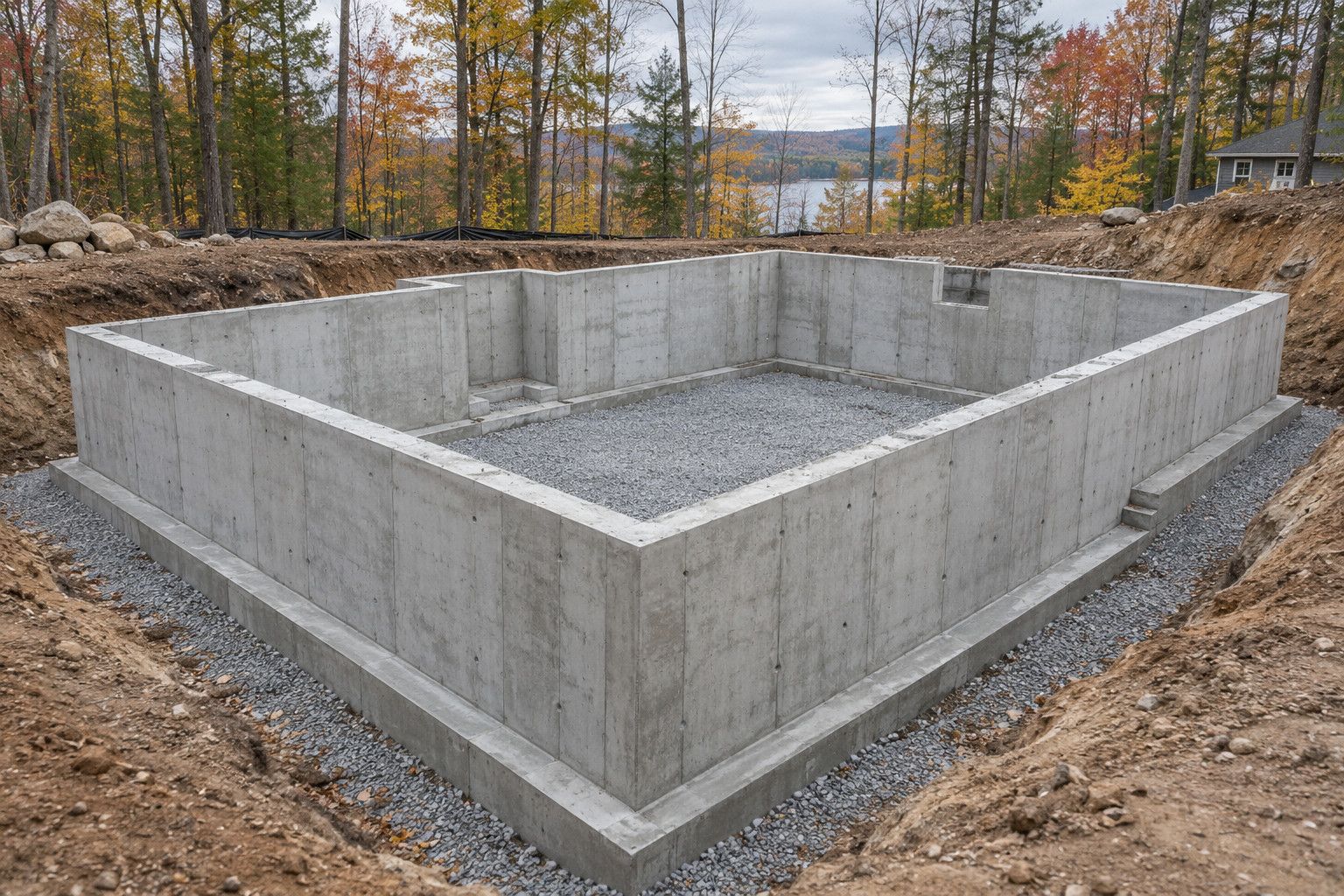
A solid foundation ensures the retaining wall’s stability and longevity. The foundation should be designed considering the type and volume of soil it will retain, the slope of the land, and environmental conditions. Professional assessment and installation are crucial to ensure that the foundation is robust and durable.
Height and Length
The dimensions of a retaining wall are pivotal. There are regulations and standards in place that dictate the permissible height of these structures, often contingent on the volume and type of soil, as well as the proximity to adjacent properties. It’s advisable to consult with a professional engineer or local authorities to understand the specific requirements for your property.
Permits and Local Requirements
Before construction, confirm current requirements with the local building authority and the responsible design professional. Height, retained ground, nearby structures and site conditions may affect the approvals and engineering required. Do not rely on a universal height threshold from a general article.
Maintenance of Retaining Walls
Retaining walls, like any other structural installations, require regular maintenance to retain their integrity and aesthetic appeal.
Inspection
Regular inspections are vital to identify any signs of wear and tear or structural weaknesses. Early detection of issues such as cracks, tilting, or bulging can mitigate extensive damage and costly repairs.
Cleaning
Choose cleaning methods appropriate for the wall material and condition. Aggressive washing or incompatible products can damage surfaces; follow system guidance and seek advice where joints or faces are deteriorating.
Repair
Cracks, leaning, bulging or displaced units need assessment of the cause. Filling the visible gap or adding reinforcement without a design may leave the underlying problem unresolved. Discuss whether repair, drainage work or reconstruction is appropriate.
Coordinate planting, lighting and finishes
Retaining walls provide an opportunity to enhance the landscape’s aesthetics.
Planting
Many homeowners and property managers use the terraces created by retaining walls for planting. The choice of plants can transform these structural elements into green, lively features that add to the property’s visual appeal.
Lighting
Incorporating lighting fixtures can illuminate the walls, creating an enchanting night-time effect. It not only adds to the aesthetics but also enhances safety and security.
Texture and Color
The use of varied materials, textures, and colors can make retaining walls visually engaging. Consider materials and finishes that complement the overall theme of your landscape.
Define the wall and sitework scope
A retaining wall brings together ground retention, drainage and the use of outdoor space. Consider its purpose, system, materials and care before comparing prices. Discuss design responsibilities and local approvals with the appropriate professionals. Capitol Concrete can help define residential retaining-wall work, excavation and grading, or repair work within the proposed project scope.