Excavation · Capital Region, NY

Erosion control & site stabilization.

Erosion-control installation and site stabilization coordinated with excavation, grading and drainage. We distinguish protection during construction from the permanent work needed to keep the finished site in place.

Free consultation. No obligation.

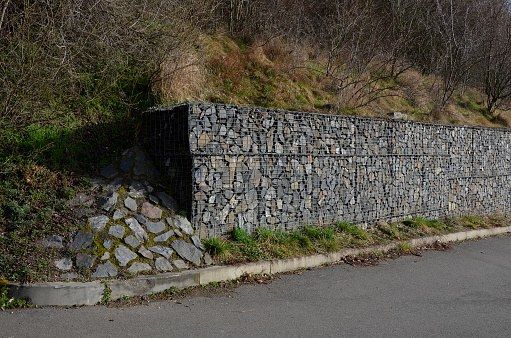
Stone-filled wire retaining structure supporting a slope beside a road
Capitol ConcreteInsured & bondedLocally owned
On this page

Define the work

Control soil at three stages.

Prevent erosion

Protecting disturbed ground reduces the soil available to wash away. Stabilization methods must suit the slope, surface and expected water flow.

What to consider — Prevent erosion

Geotextile and landscape stabilization work should follow the specified site requirements.

Manage sediment

Temporary controls address soil that has already moved. They are part of a construction-stage plan and may need attention as work progresses.

What to consider — Manage sediment

Identify installation, inspection and maintenance responsibilities separately.

Stabilize the finished site

Permanent grading, drainage and landscape work should manage the conditions that caused the erosion. A retaining structure is only one possible part of that response.

What to consider — Stabilize the finished site

Define the final surface and water route rather than leaving temporary measures as the end result.

Find the flow that is stripping the ground

Erosion below a downspout, across a bare slope or along a construction entrance represents different conditions. Look uphill from the damage and identify where sediment collects. Covering the washed-out spot without addressing concentrated runoff may leave the new material exposed to the same problem.

Use a site-specific control plan

New York DEC’s construction guidance distinguishes erosion and sediment-control practices within the site plan. The correct measures and any permitting or inspection requirements depend on the project. Capitol’s installation scope should identify the specified practices and their interfaces; it does not automatically include professional plan preparation or regulatory inspection.

Connect temporary work to permanent restoration

Grading and construction can change drainage paths before final surfaces are installed. Controls may need to move with the work. Establish who maintains them and when permanent stabilization replaces them. At handoff, define the landscape or surface condition included so a temporary construction measure is not mistaken for finished work.

From first conversation to completion

How the work comes together.

  1. Read the site

    Document erosion, upstream water and the construction stage.

  2. Establish controls

    Follow the specified plan and assign installation and maintenance responsibilities.

  3. Stabilize permanently

    Connect final drainage, grades and restoration before temporary controls are retired.

Working with Capitol

In our customers’ words.

A customer’s experience with our team.

Excavation
Review excerpt:

“They hit every deadline and kept the project moving smoothly.”

Tim ReinerGeneral Contractor
Read full reviewClose full review from Tim Reiner

“We brought them on for a large-scale excavation project, and they exceeded expectations. Their team was efficient, safety-conscious, and worked seamlessly with our crew. They hit every deadline and kept the project moving smoothly. Communication was clear from start to finish, and the quality of work was spot on. Definitely a reliable partner for future projects.”

Before you approve the work

Know what the controls are protecting.

Keeping soil in place and capturing soil already carried by runoff are different jobs. A useful scope addresses both through the changing construction sequence.

Are erosion control and sediment control the same?

Erosion control limits soil being detached and moved; sediment control captures transported soil before it leaves the work area. A barrier at the bottom of a disturbed slope does not replace stabilizing the exposed ground. Ask which measures serve each purpose and how they suit the drainage pattern. The installation should follow the applicable site plan rather than a generic line of fencing around the boundary.

Why does maintenance belong in the estimate?

Controls operate while grading, access routes and exposed areas change. They can be damaged or overwhelmed and need inspection, sediment removal or repair. Identify the responsible party, reporting arrangements and maintenance period. A one-time installation price and a maintained construction-phase system are different scopes; knowing which you are buying matters more than comparing only the quantity of material installed.

When is temporary control work actually complete?

Clarify the criteria and responsibility for final stabilization and removal of temporary measures. Finishing earthwork does not necessarily mean the disturbed ground has its permanent protection. If landscaping is a separate contract, document the handoff and remaining maintenance. Where stormwater permits or a pollution-prevention plan apply, responsibilities should follow those project requirements, not an informal assumption that another contractor will take over.

Before the project is handed over

Review remaining exposed ground, outstanding maintenance and the designated responsible party. Keep the applicable inspection and closeout records for the project.

Link to this estimate guide

Your investment

What shapes the estimate?

Affected area, slope, access, drainage changes, material selection and design requirements influence cost. Temporary controls during construction and permanent work may need different sequencing and separate line items.

What we can include
  • Erosion-control installation within the project scope
  • Drainage and slope-work coordination
  • Geotextile and landscape stabilization work
  • Retaining-wall and grading interfaces

A useful first conversation

Bring the project into focus.

Start with the property address and the work you have in mind. Helpful details include:

  • Photos of erosion and the area uphill from it
  • Available site plans, specifications and drainage information
  • The construction stage, access and desired permanent condition
Tell us about your project

We arrange a site visit and define the included work, responsibilities and project-specific warranty terms. Changes to scope, cost or timing are documented before changed work begins.

Before you begin

Questions about this work.

All project FAQs
Is a retaining wall always the answer to erosion?

No. A wall, drainage work, grading or other stabilization may be appropriate depending on the site. Assessment should identify the cause and requirements before a construction approach is chosen.

Can you include stabilization with excavation?

Yes. Erosion-control and restoration responsibilities can be included in a defined sitework scope. Send the project requirements and distinguish temporary controls from the permanent improvements you need.

Your local construction team

Let’s look at your project.

Serving Albany, Saratoga, Schenectady and Rensselaer counties, plus Lake George and Gloversville. Contact us first; consultations are arranged at the project site.

Request a Free Estimate

Planning & care

Read before you build.

Technical reading behind this guidance

General planning references, not project specifications or evidence of a Capitol certification. Site conditions and the agreed design determine the work.