Excavation · Capital Region, NY

Demolition & construction debris removal.

Concrete removal, defined demolition packages and construction debris clearance ahead of rebuilding. We establish the removal limits and the condition you need afterward, so the next phase can start from a clear scope.

Free consultation. No obligation.

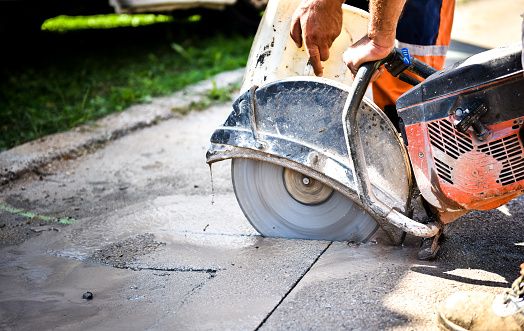
Concrete saw cutting through existing pavement for a defined removal area
Capitol ConcreteInsured & bondedLocally owned
On this page

Define the work

Choose the removal scope.

Old concrete and paving

A driveway, patio or commercial pad can be removed as part of replacement. Adjacent concrete and utilities influence where the removal stops.

What to consider — Old concrete and paving

Include the new construction plan so preparation and removal limits align.

Building-related demolition

Connected structural elements, occupied areas and services require a planned approach and assigned prerequisites. It is different from breaking up an isolated slab.

What to consider — Building-related demolition

Provide existing drawings, inspections and known material information for review.

Construction debris clearance

Hauling, sorting and disposal need to reflect the materials involved and site access. Clearance can be included with the wider construction package.

What to consider — Construction debris clearance

This is construction-related removal; do not assume a general household junk-hauling or hazardous-material service.

Mark what must remain

Removal drawings or marked photographs should distinguish demolition from protection. Show adjoining walls, surfaces, trees and utilities that remain in use. The boundary is especially important when an old slab meets a building or shares space with a new project. Protecting the retained work is part of planning the removal.

Resolve structural and utility prerequisites

Building demolition may require an engineering survey and planned service disconnection before work begins. Identify the parties handling those steps, permits and any material-specific assessment. The construction scope must distinguish ordinary debris from material requiring specialist handling; do not assume a demolition price includes every prerequisite.

Agree on the cleared-site condition

Removal can finish at several stages: debris hauled away, excavation complete, base prepared or new concrete installed. State which one you need. Include abandoned holes, grading and adjoining surface restoration in the discussion. Otherwise, a technically complete removal can still leave a site unready for rebuilding.

From first conversation to completion

How the work comes together.

  1. Define and protect

    Mark removal limits, retained work and required assessments.

  2. Disconnect and remove

    Resolve prerequisites, access and material handling before demolition.

  3. Clear for the next phase

    Complete disposal and the specified grading or base-preparation stage.

Working with Capitol

In our customers’ words.

A customer’s experience with our team.

Excavation
Review excerpt:

“They hit every deadline and kept the project moving smoothly.”

Tim ReinerGeneral Contractor
Read full reviewClose full review from Tim Reiner

“We brought them on for a large-scale excavation project, and they exceeded expectations. Their team was efficient, safety-conscious, and worked seamlessly with our crew. They hit every deadline and kept the project moving smoothly. Communication was clear from start to finish, and the quality of work was spot on. Definitely a reliable partner for future projects.”

Before you approve the work

Define a complete demolition boundary.

The important distinction is between what comes out, what must remain protected and the condition required for the next phase.

What must happen before removal begins?

Structural demolition requires planning for the condition of the building, adjoining structures and utility services. OSHA requires a preparatory engineering survey by a competent person before employees start demolition operations. Hazardous substances can require separate investigation and handling. A demolition allowance should identify those preparatory responsibilities rather than treating the work as equipment time and hauling alone.

How are retained structures and finishes protected?

Selective demolition depends on a clear boundary: the wall, slab or surface being removed may connect to something that stays. Mark those interfaces and the required finished condition. Ask what temporary protection or support is part of the plan and who resolves concealed connections discovered during removal. Cutting a tidy line at the surface does not establish how the remaining construction is supported.

Does debris removal include everything uncovered?

Separate known demolition debris from unexpected buried material or substances needing specialist handling. Specify hauling, disposal, sorting and any documentation required for the agreed materials. Then define the site left behind: open excavation, filled area, prepared building platform or landscaped ground. These are different outcomes. A proposal that ends at “remove structure” may leave substantial work before the property can be used again.

Before the project is handed over

Confirm the agreed removal limits and remaining hazards before reopening the area. Keep applicable disposal and service-disconnection records with the property documents.

Link to this estimate guide

Your investment

What shapes the estimate?

Material, extent of removal, access, protection, handling, disposal and the required site condition afterward affect price. Photographs help start the discussion, but they may not reveal concealed connections or conditions.

What we can include
  • Removal before new concrete or construction
  • Defined demolition packages
  • Construction debris removal
  • Coordination with excavation and rebuilding

A useful first conversation

Bring the project into focus.

Start with the property address and the work you have in mind. Helpful details include:

  • Photos and approximate dimensions of the proposed removal
  • Items to preserve, known utility connections and site access
  • Your rebuilding plan and required condition after clearance
Tell us about your project

We arrange a site visit and define the included work, responsibilities and project-specific warranty terms. Changes to scope, cost or timing are documented before changed work begins.

Before you begin

Questions about this work.

All project FAQs
Can you remove and replace an old concrete area?

Yes. We can discuss removal with new concrete and associated sitework in one scope. The existing condition, preparation and finish requirements determine the proposal.

Does demolition include every type of material removal?

No blanket scope should be assumed. Material-specific assessment or specialist work may be needed. Describe the existing construction so handling, exclusions and responsibilities can be established.

Your local construction team

Let’s look at your project.

Serving Albany, Saratoga, Schenectady and Rensselaer counties, plus Lake George and Gloversville. Contact us first; consultations are arranged at the project site.

Request a Free Estimate

Planning & care

Read before you build.

Technical reading behind this guidance

General planning references, not project specifications or evidence of a Capitol certification. Site conditions and the agreed design determine the work.