Begin with the condition and cause
Concrete is durable and versatile, but it can wear, stain, crack or deteriorate. Residential, commercial and industrial properties place different demands on a surface. This guide preserves those distinctions and explains repair methods that may arise in a professional assessment. Specialist techniques described below are educational context, not confirmation that Capitol Concrete offers every system or has used it on a completed project.
Residential cracks and staining
Cracks
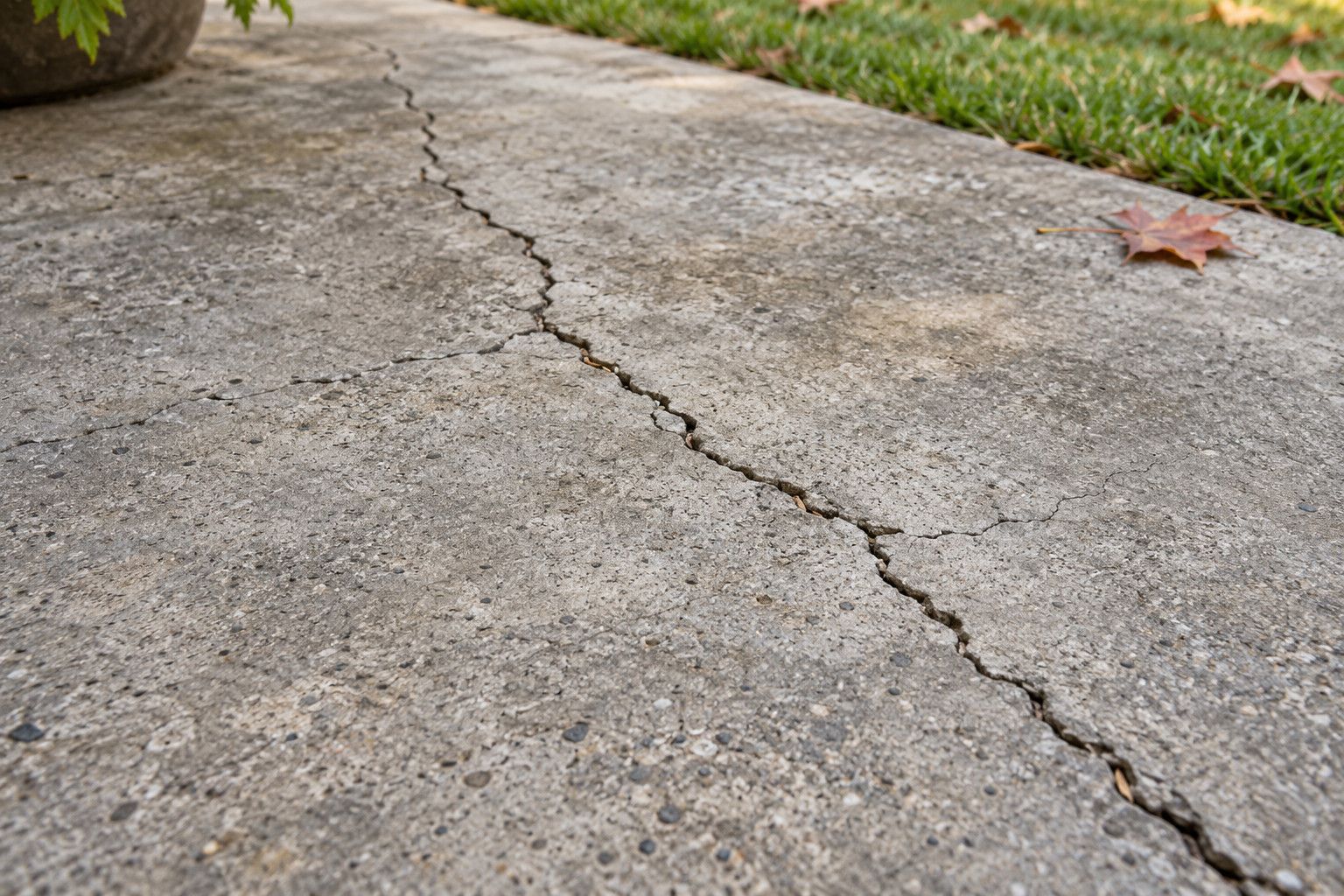
Cracks can relate to shrinkage, ground movement, loading, temperature, moisture or other conditions. Their appearance alone does not establish the cause or the right repair. Record the location, pattern, changes over time and any water entry or displacement when requesting an assessment.
- Hairline cracks: A narrow opening may be a surface condition, but width alone cannot establish whether it is harmless. Consider the location, history and surrounding symptoms.
- Settlement cracks: Ground movement may be one explanation for cracking or uneven sections. Determine whether movement is ongoing before choosing a repair.
- Structural concerns: Suspected damage to a load-bearing element requires qualified evaluation. Do not use a simple width or depth rule to diagnose the problem or select a patch.
Discoloration
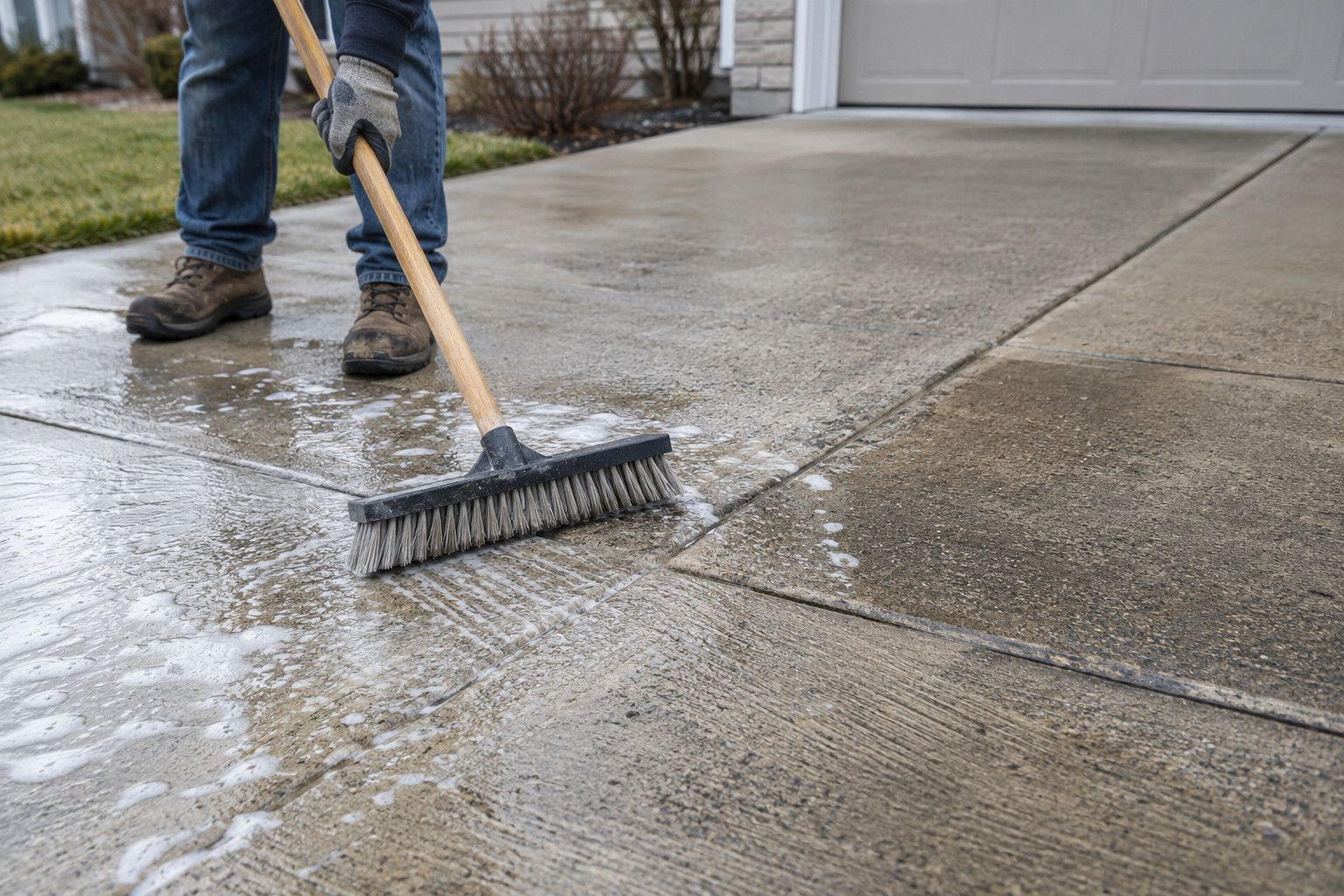
Staining can have several causes. Identify the material and existing finish before choosing a cleaning product. Common observations include:
- Efflorescence: A white powdery substance that can appear on the surface, often a result of water-soluble salts present in the concrete.
- Tannin Stains: Caused by organic materials, like leaves or pine needles, decomposing on the wet concrete.
- Iron Stains: Typically rust-colored, they stem from metal objects oxidizing on the surface.
Commercial wear and deterioration
Surface Wear
Commercial surfaces can be affected by foot traffic, deliveries, equipment and cleaning. An assessment should consider the actual use of the space and the following visible conditions:
- Abrasion: High traffic zones, especially entry and exit points, can show signs of abrasion, necessitating protective measures like quality sealants or coatings.
- Indentations: Local damage beneath heavy objects or equipment should be assessed for cause and extent before patching.
- Polishing: Continuous foot traffic, especially in retail spaces, can cause surfaces to become overly smooth, leading to potential slip hazards.
Structural Deterioration
Visible deterioration in a commercial setting may affect access, operations or structural condition. Establish the cause and the appropriate review before selecting treatment.
- Spalling: Pieces of concrete separating from the surface can have different causes, including exposure or reinforcement-related problems. Repair should address the relevant cause.
- Delamination: Separation within the concrete may require specialist investigation. A sound or appearance observed at the surface is not a complete diagnosis.
Industrial exposure and equipment damage
Chemical Exposure
Industrial concrete may be exposed to substances that require specific material and protection choices. Supply the assessor with the chemicals involved, exposure history and relevant operating information.
- Acid exposure: Some chemicals can attack concrete. Testing and interpretation should be selected by a qualified professional; a simple pH reading does not establish the full condition or repair scope.
- Alkali-silica reaction (ASR): This is a material-related deterioration mechanism that needs appropriate investigation. It should not be diagnosed from a crack photograph or confused with an external chemical spill.
Mechanical Damage
Machinery movement, impacts and repeated loading can affect industrial concrete. Consider the equipment and operating conditions as part of an assessment.
- Impact Damage: Sudden, forceful contact with equipment can lead to chipping or cracking. Zones at risk should be fortified with protective barriers.
- Vibration: Where machinery-related vibration is suspected, coordinate the investigation with the appropriate equipment and structural specialists before selecting a mitigation method.
Repair Techniques to Discuss with a Qualified Team
Residential
Crack Injection
Injection methods have different purposes and limitations. A professional must establish the cause, movement, moisture conditions and repair objective before selecting a system.
- Epoxy injection: A designed repair may use epoxy for an appropriate crack or bonding purpose. It does not automatically restore original structural capacity, and the choice cannot be based on crack width alone.
- Polyurethane injection: Some systems are used to address water leakage. Their use is distinct from a structural repair and depends on the product, substrate and actual site conditions.
Color Restoration
Stains and decorative treatments can change the appearance of a suitable concrete surface. Establish its condition and prepare samples before selecting the finish.
- Stain Application: Implementing specialized concrete stains can revitalize the color while enhancing the texture and patterns of the concrete. Various stain types, from acid-based to water-based, offer unique finishes and tones, allowing for customization.
- Decorative Overlays: These not only restore color but can offer a complete transformation of the surface’s visual appeal, introducing intricate designs and patterns that elevate the property’s aesthetic value.
Commercial
Overlay Systems
Overlays can provide a different surface appearance or finish. They require a suitable underlying slab and do not correct all movement or structural problems.
- Micro-topping Overlays: They provide a smooth, uniform, and contemporary look, ideal for commercial spaces aiming for a minimalist aesthetic, while offering enhanced surface protection.
- Stamped Overlays: Ideal for spaces seeking aesthetic versatility, they replicate the look of natural stone, brick, or other materials, combining visual appeal with surface durability.
Concrete Replacement
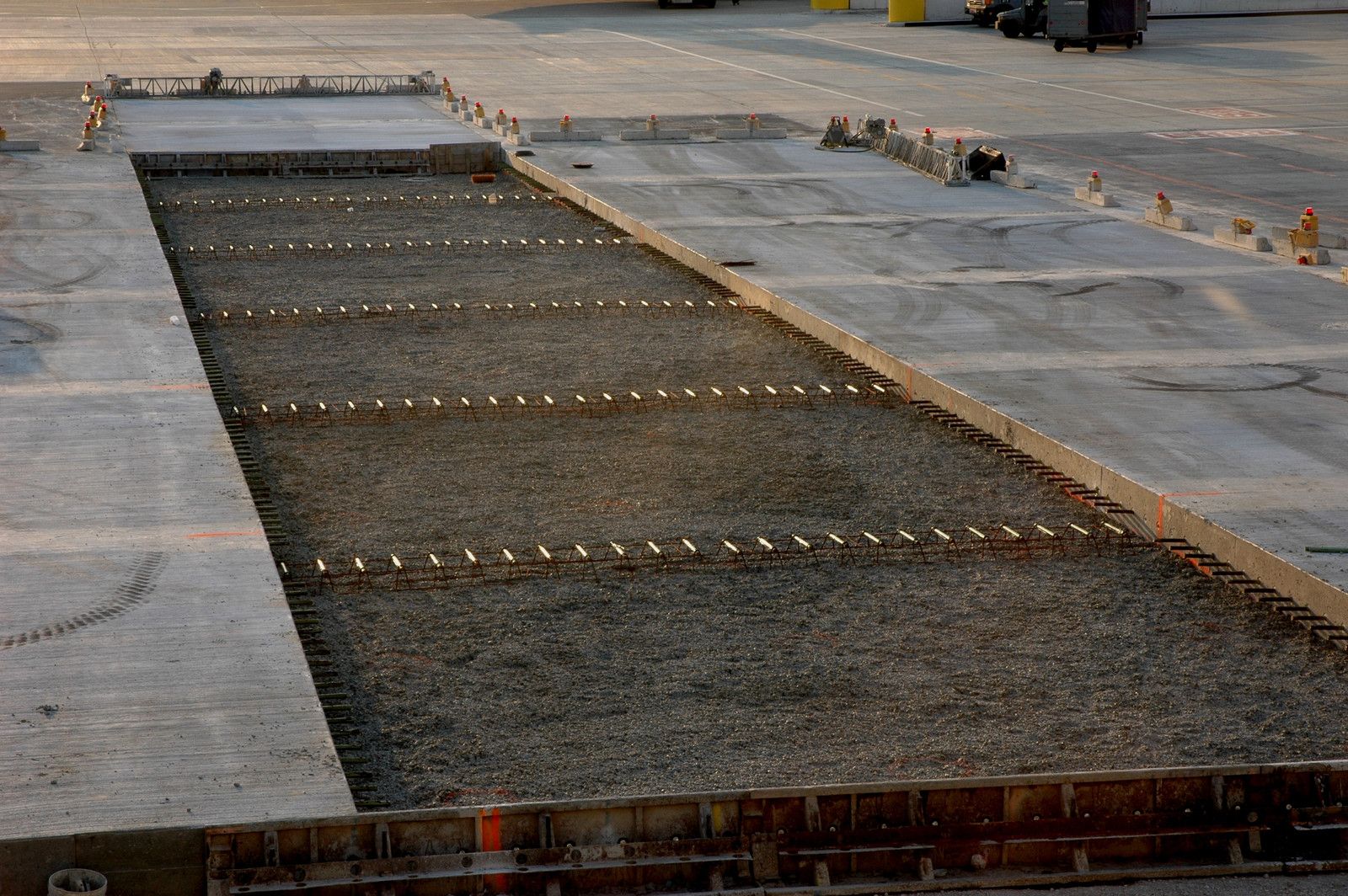
Where the existing concrete is unsuitable for repair, removal and replacement may be considered. Compare the cause of failure, access, phasing and complete replacement scope.
- Demolition and removal: Plan the work around adjacent structures, services, access and debris handling. Define the area and responsibilities before removal begins.
- Reinstallation: Address the causes of the earlier problem in the proposed preparation, drainage and concrete specification. New concrete is not automatically guaranteed to outperform the old installation.
Industrial Repair Options
Chemical-Resistant Coatings
Industrial coating selection should be based on the actual chemicals, concentrations, temperatures, traffic and substrate conditions. Product documentation and specialist advice are essential to that choice.
- Epoxy coatings: These may be considered for specified chemical and traffic exposure. Resistance is product-specific, and a coating does not add structural capacity simply by covering the surface.
- Polyaspartic coatings: Some systems offer relatively rapid return-to-service characteristics. Suitability and timing depend on the product and conditions; this description is not a Capitol service or downtime guarantee.
Mechanical Damage Repair
Industrial repair planning needs to consider operating loads, access and the acceptable return-to-service period. Define those requirements before choosing a surface treatment or patching material.
- Concrete polishing: Polishing may improve the finish of a suitable surface. It is not a repair for every abrasion problem and does not correct structural damage.
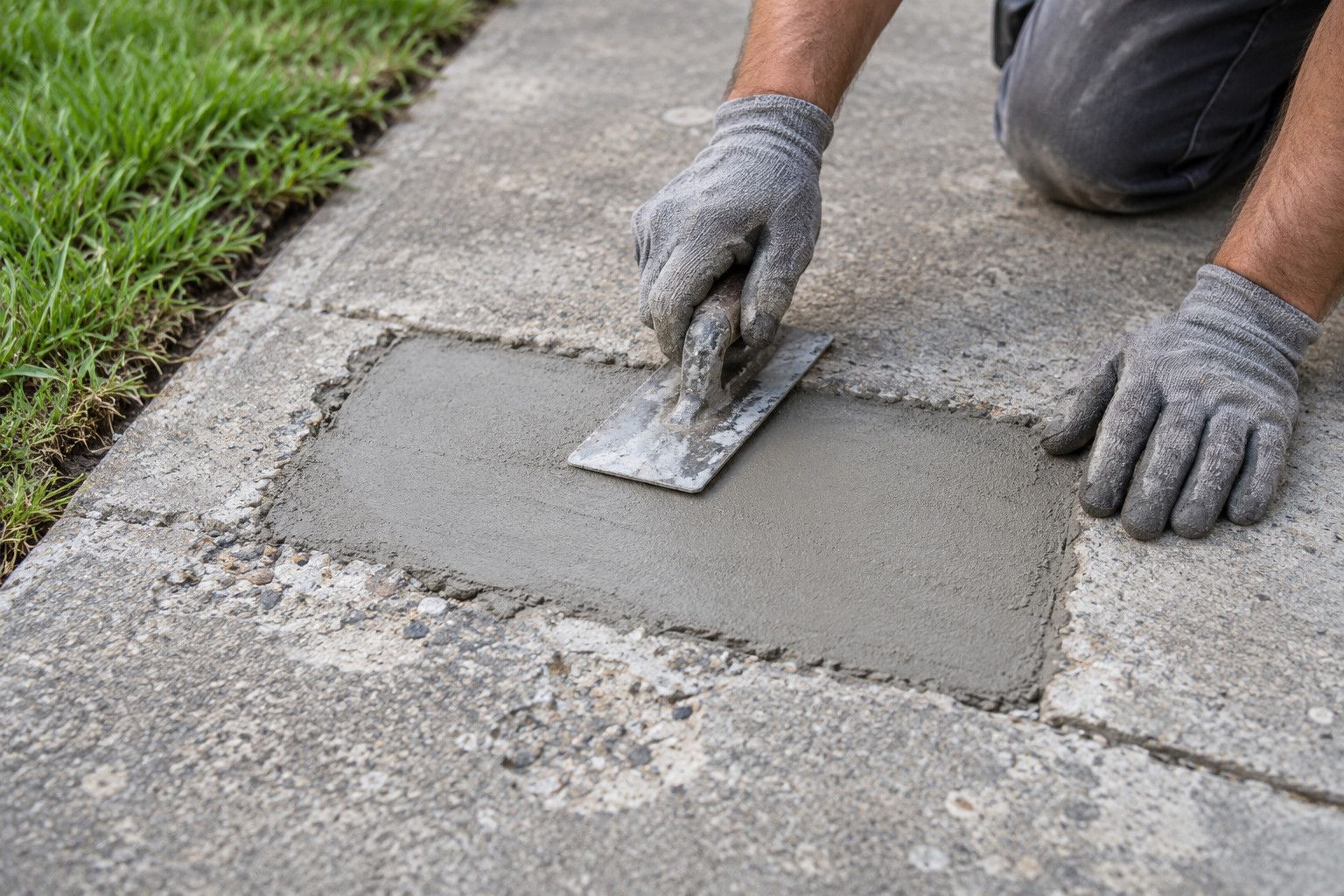
- Patching materials: The repair depth, substrate, exposure and loading affect product choice and cure requirements. A rapid-curing label alone does not establish readiness for equipment traffic.
Specialist coatings and strengthening
Other Coating Systems
Several coating families may arise in a specialist specification. Their appearance or generic chemistry is not enough to establish fitness for a particular industrial exposure.
- Polyurea coatings: These are specialist systems with product-specific application and service requirements. Confirm the selected system, installer competence and substrate preparation.
- Acrylic coatings: These may be considered for certain surface-protection or appearance needs. Do not assume every acrylic product is suitable for chemical exposure or heavy traffic.
Concrete Strengthening Techniques
Strengthening an existing structural element requires professional investigation and design. The following methods are examples of specialist work, not a list of confirmed Capitol Concrete capabilities.
- Carbon-fiber systems: A qualified design professional may specify a system for a defined structural purpose. The substrate, detailing and installation requirements are project-specific.
- Steel-plate bonding: This is another specialist approach that requires an engineered repair design and appropriate installation oversight; it is not a general surface-maintenance treatment.
Plan ongoing protection and inspection
Residential
Sealants
Residential sealer selection should reflect the concrete finish, existing treatments, exposure and maintenance needs. A sealer is one part of surface care and cannot resolve every cause of deterioration.
- Penetrating sealers: These products are intended to work within the surface. Verify compatibility, the protection claimed by the manufacturer and the required preparation.
- Film-forming sealers: These leave a surface treatment that can affect appearance and traction. Confirm suitability for the location, finish and existing coating.
Quality Installation
New work should have an appropriate specification, preparation and construction plan. The following topics belong in the project’s quality-control discussion.
- Curing and weather: Establish the curing and protection requirements for the specified concrete and actual placement conditions.
- Material quality: Clarify the specified mix, any required testing and who reviews the results. Testing requirements depend on the project.
Commercial
Traffic Coatings
Commercial spaces, with their unique traffic patterns and aesthetic demands, necessitate specialized solutions.
- Epoxy Coatings: Known for their durability, they offer a balance between aesthetic customization and surface resilience.
- Polyurethane coatings: Product properties vary. Review the actual system for substrate movement, temperature and wear rather than treating flexibility as a guarantee against cracking.
Regular Inspection
Record changes in commercial surfaces and relate inspections to traffic, equipment, cleaning and exposure. Inspection frequency should follow the site’s needs and relevant professional advice.
- Scanning and imaging: Specialists may use these tools where appropriate. A scan has limitations and must be interpreted in context; this guide does not claim Capitol provides these services.
- Expert consultation: Use relevant concrete or design specialists to investigate conditions and establish a practical maintenance or repair plan.
Industrial
- Protective Barriers: In the industrial milieu, where mechanical impacts are a norm, strategic placement and design of barriers is critical.
- Material Innovation: Exploring advanced materials that offer maximum impact resistance while being cost-effective.
- Design Optimization: Tailoring barrier designs to specific machinery and operational dynamics to ensure functional efficiency and safety.
Maintenance Protocols
Industrial maintenance should relate to operating risks, access and the condition of the concrete. Maintain clear records of inspections, exposure and repairs.
- Predictive maintenance: Data analysis or machine learning may support some large-facility maintenance programs. This is an industry topic, not a Capitol offering or a substitute for qualified inspection.
- Customized Cleaning Regimens: Developing cleaning schedules that are tailored to the specific types of stains and wear common in the industrial setting, employing specialized cleaning agents and techniques.
Define the repair before choosing a system
Concrete repair and maintenance require a response suited to the property and the cause of damage. Residential appearance, commercial access and industrial exposure may lead to different decisions. Compare repair, replacement and preventive care with the relevant professionals rather than expecting one technique to resolve every condition.
Arrange a repair-scope discussion
Contact Capitol Concrete to discuss the property location, symptoms, available plans and known repair history. We can review the proposed masonry and concrete repair scope and clarify when specialist design or investigation is needed. See also commercial services and the focused concrete crack guide.