Masonry · Capital Region, NY

Concrete repair & resurfacing.

Repair, resurfacing or replacement for damaged concrete at homes and commercial properties. We assess what is sound, what is moving and what the finished surface needs to do before recommending a treatment.

Free consultation. No obligation.

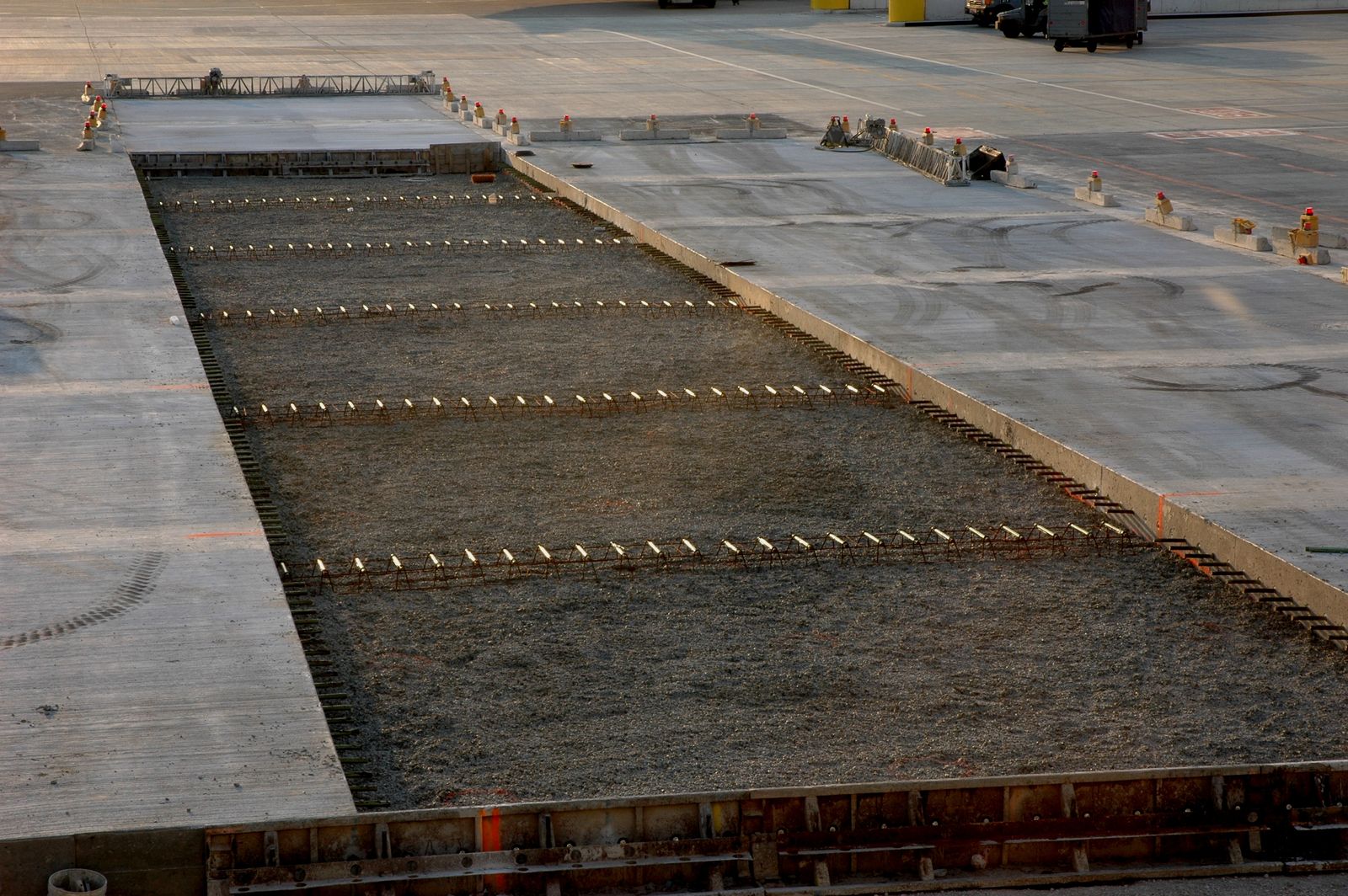
Concrete pavement replacement area with prepared aggregate and dowel assemblies between existing slabs
Capitol ConcreteInsured & bondedLocally owned
On this page

Understand your options

Repair, resurface or replace?

Localized repair

A damaged edge or isolated area may be repairable when the surrounding concrete remains suitable. The repair needs sound material to bond to and a clear removal boundary.

What to consider — Localized repair

Expect a possible difference in color or texture from the weathered original.

Resurfacing

A new surface can improve suitable existing concrete. Preparation and compatibility matter; an overlay inherits problems if the base continues to move or deteriorate.

What to consider — Resurfacing

Ask what makes the existing slab suitable rather than judging only the proposed finish.

Replacement

Widespread deterioration, displaced panels or unsuitable support may favor removal and new construction. This creates an opportunity to correct base and drainage issues.

What to consider — Replacement

Compare the full removal and preparation scope, not only the cost of the new surface.

Identify what kind of damage you have

Scaling removes surface material; a crack may extend through the slab; settlement changes its level. These are different conditions and should not receive an identical sales recommendation. Photos showing the entire area and its edges help reveal whether the problem is isolated or part of a wider pattern.

Prepare down to suitable concrete

A repair is limited by the material beneath it. Unsound concrete, coatings and contamination can interfere with the selected system. Preparation and removal limits should be explicit in the estimate. Covering a flaky or moving surface may give a short-lived visual improvement while leaving the underlying defect.

Judge the outcome by use and appearance

A retail floor, entrance step and vehicle driveway have different performance and access requirements. Agree on the resulting surface, visible repair boundaries and protection while it becomes ready for use. If a nearly uniform decorative result is essential, compare a larger finish or replacement scope instead of expecting a small patch to disappear.

From first conversation to completion

How the work comes together.

  1. Assess the concrete

    Identify deterioration, movement, drainage and the intended use.

  2. Compare treatments

    Define preparation, repair limits and realistic appearance expectations.

  3. Return the area to service

    Follow the selected system’s protection and access requirements.

Working with Capitol

In our customers’ words.

A customer’s experience with our team.

Masonry
Review excerpt:

“Their attention to detail and ability to stay on schedule made my job so much easier.”

Doug CassidyProject Manager
Read full reviewClose full review from Doug Cassidy

“As a project manager, I’ve worked with several contractors, but this masonry team stands out. Their attention to detail and ability to stay on schedule made my job so much easier. We had some tricky stonework that required precision, and they nailed it. The crew was professional, responsive, and kept the site clean. I’ll definitely be recommending them for future projects.”

Before you approve the work

Know what an overlay can restore.

A surface repair is only as useful as the concrete supporting it. Understanding the deterioration helps distinguish a lasting repair from a temporary improvement in appearance.

Is the damage limited to the surface?

Scaling, loose concrete, corrosion-related damage and slab movement call for different evaluation. Rusting embedded steel can expand and break surrounding concrete; covering the resulting spall does not explain how the corrosion is addressed. Ask what inspection supports the repair depth and boundary. A sound-looking perimeter can hide further deterioration, so the proposal should address discoveries when damaged material is removed.

Why is preparation more than pressure washing?

A bonded repair needs a suitable substrate and preparation compatible with the selected material. Cleaning alone is not necessarily enough to remove weak concrete, contaminants or an incompatible old treatment. Ask which repair system is proposed, what substrate condition it requires and how those requirements will be verified. A product’s advertised strength does not, on its own, establish the performance of the bond to an existing slab.

Will the repaired area disappear?

Color, texture and weathering can make a local repair visible even when it performs as intended. Agree whether the aim is functional repair, a closer visual match or a broader resurfaced area. Existing movement and drainage also need consideration before choosing a cosmetic overlay. Discuss a representative sample where appearance is important, along with how the proposed treatment meets edges, joints, doors and adjacent unrepaired surfaces.

Before the project is handed over

Keep the repair product and care information. Review any recurring deterioration at the repair boundary rather than assuming another coat is the appropriate response.

Link to this estimate guide

Your investment

What shapes the estimate?

Repair area, depth and condition, preparation, access, finish expectations and the extent of removal affect pricing. Small visible damage can involve a larger scope if movement or water conditions are contributing to the problem.

What we can include
  • Localized concrete repairs
  • Resurfacing of suitable existing concrete
  • Review of cracks, scaling and damaged areas
  • Replacement and drainage coordination where needed

A useful first conversation

Bring the project into focus.

Start with the property address and the work you have in mind. Helpful details include:

  • Photos showing the whole area, close-ups and level changes
  • The age and known history of the concrete, if available
  • Vehicle or pedestrian use and access needs during work
Tell us about your project

We arrange a site visit and define the included work, responsibilities and project-specific warranty terms. Changes to scope, cost or timing are documented before changed work begins.

Before you begin

Questions about this work.

All project FAQs
Can damaged concrete simply be covered?

Only a condition review can establish whether resurfacing is appropriate. An overlay may improve a suitable surface, but it should not be presented as a fix for continuing movement or unsuitable underlying conditions.

Will repaired concrete match the original?

Age, finish, color and weathering can make repairs visible. We discuss appearance and finish expectations during planning rather than promising an invisible match.

Your local construction team

Let’s look at your project.

Serving Albany, Saratoga, Schenectady and Rensselaer counties, plus Lake George and Gloversville. Contact us first; consultations are arranged at the project site.

Request a Free Estimate

Planning & care

Read before you build.

Technical reading behind this guidance

General planning references, not project specifications or evidence of a Capitol certification. Site conditions and the agreed design determine the work.