Concrete is a durable and reliable material commonly used for driveways, patios, foundations, and walkways. But despite its strength, concrete is not immune to cracking. Cracks in concrete can be unsightly, reduce the structure’s lifespan, and, if left unaddressed, can lead to more severe damage. Understanding the causes of concrete cracks and knowing how to fix them can help homeowners maintain their concrete surfaces effectively.
This guide explains common crack-related questions, visible conditions to record and repair approaches to discuss with a qualified professional. It is not a method for diagnosing a structural problem from appearance or selecting a structural repair without an assessment.
Why Does Concrete Crack?
There are several reasons why concrete may crack, many of which are due to environmental factors, improper installation, or natural wear and tear. Here are some of the most common causes of concrete cracks:
1. Shrinkage During the Curing Process
Concrete can develop shrinkage-related cracking at different stages. Early moisture loss and later drying are distinct from the curing process used to support proper concrete development. The cause of a particular crack needs to be considered in context rather than attributed automatically to normal curing.
- Planning for Shrinkage: The mix, placing conditions, finishing, joints and curing plan all matter. Discuss the specified methods with the contractor; adding water or improvising an aftercare routine can affect the result.
2. Rapid Temperature Changes
Concrete expands when it’s warm and contracts when it’s cold. In areas like Upstate New York, where temperatures fluctuate significantly between seasons, this cycle of expansion and contraction can put stress on the concrete, eventually causing it to crack.
- Planning for Movement: Joints are part of the slab design. Different joints serve different purposes, and contraction joints help manage where shrinkage cracking may occur. They do not guarantee a crack-free surface or substitute for a proper design.
3. Improper Installation or Poor Mix Design
Concrete that has been mixed incorrectly or installed improperly is more susceptible to cracking. If there’s too much water in the concrete mix, it can weaken the material, making it more prone to damage. Additionally, improper placement or finishing techniques can lead to uneven drying and cracking.
- Installation Quality: Confirm the concrete specification, preparation, placement and curing responsibilities with an experienced contractor. Good practice reduces risks but cannot promise that concrete will never crack.
4. Heavy Loads and Excessive Weight
Concrete is designed to support heavy loads, but excessive weight can lead to cracks over time. This is particularly true for driveways, where heavy vehicles are often parked. Concrete that wasn’t designed for high loads may develop stress cracks under the weight of large vehicles or machinery.
- Intended Loading: Tell the project team about vehicles, storage and equipment before design and construction. Slab thickness and reinforcement should follow the relevant design, not a generic recommendation to add more concrete or rebar.
5. Freeze-Thaw Cycles
Freeze-thaw cycles are a significant cause of concrete cracks in cold climates like Upstate NY. When water enters small cracks or pores in the concrete and then freezes, it expands. This expansion causes the concrete to crack further, especially if this process repeats frequently during winter.
- Moisture and Winter Care: Appropriate materials, drainage, construction and care all contribute. Discuss compatible sealers where relevant, but do not rely on a sealer or fixed recoating schedule as protection against every cause of cracking.
6. Soil Movement and Settling
Concrete is often poured on top of soil, which can shift or settle over time. If the soil underneath a concrete slab moves, it can cause the slab to crack. This type of cracking is common in foundations and walkways where soil movement occurs.
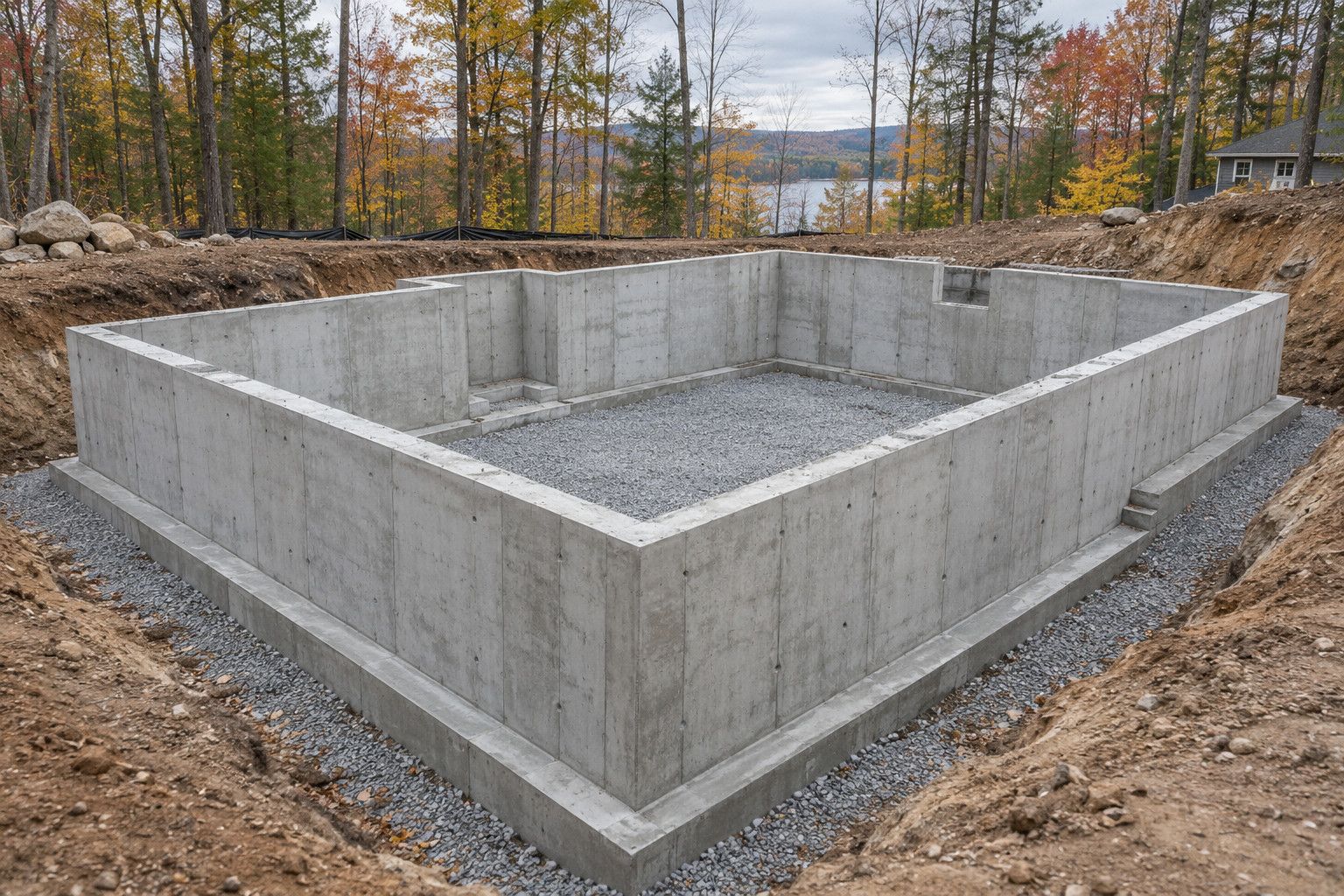
- Site Preparation: Establish the required ground and base preparation before placement. Where soil conditions or movement are uncertain, ask for the appropriate investigation and design advice rather than assuming compaction alone will solve the problem.
7. Corrosion of Reinforcing Steel
For concrete that contains reinforcing steel (rebar), corrosion can lead to cracks. When steel corrodes, it expands, causing the concrete around it to crack and spall. This is often seen in concrete foundations or larger structures.
- Reinforcement Protection: Material selection, detailing, construction and exposure should be addressed in the design. Existing corrosion-related damage requires assessment; applying a product to a visible area is not a complete structural repair.
Types of Concrete Cracks
Crack descriptions can help explain what you observe, but they do not establish the underlying cause or safety of the structure. Note the location, pattern, width changes, movement between sides, moisture and repair history. These details help a qualified professional decide what further investigation is needed.
1. Hairline Cracks
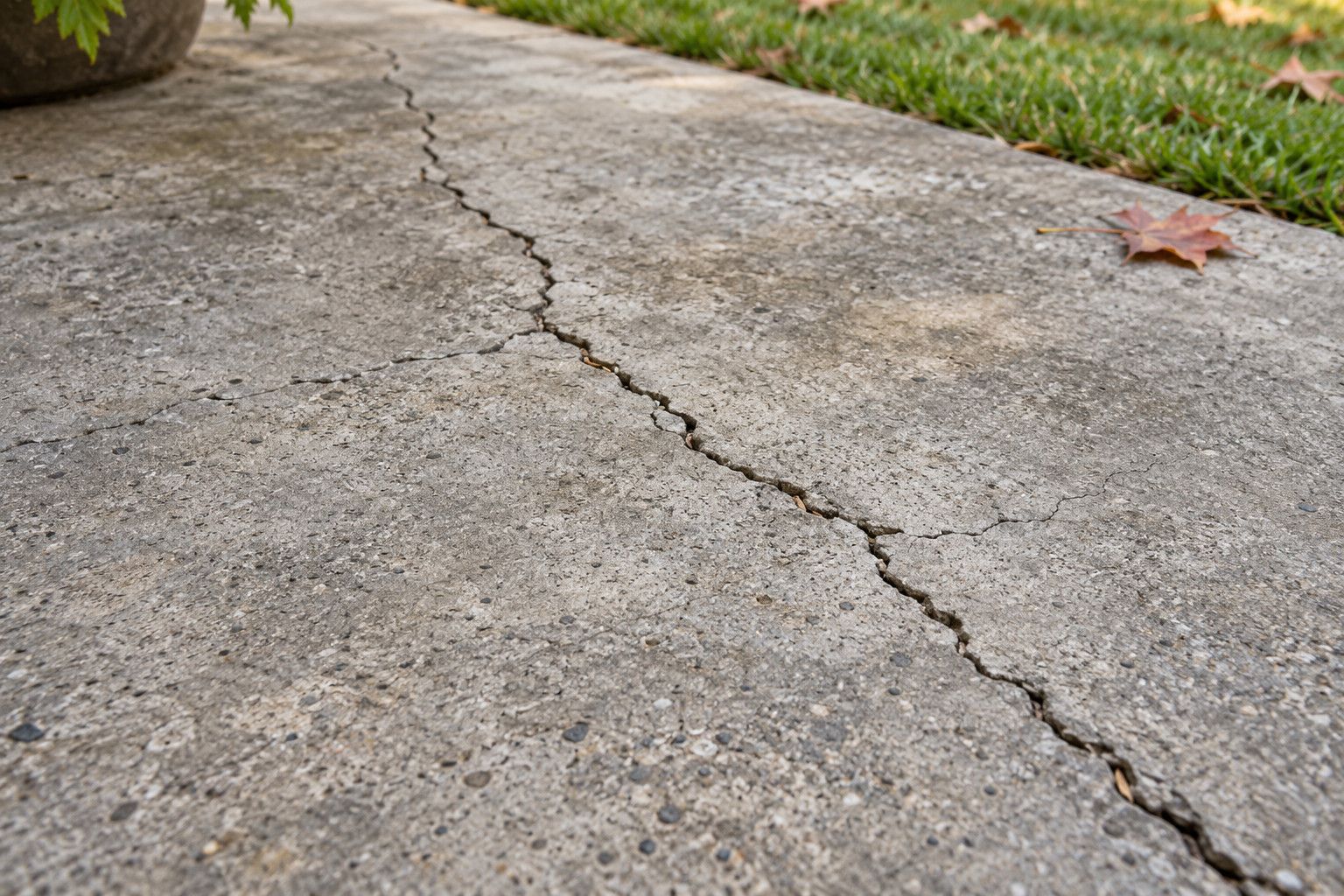
A hairline crack describes a narrow visible opening. Some are associated with surface or shrinkage conditions, but size alone cannot establish depth or structural significance. Record changes and seek advice when the cause is unclear.
2. Plastic Shrinkage Cracks
Plastic-shrinkage cracks can develop early while the concrete is still plastic, often in conditions of rapid moisture loss. Identifying the type and significance of cracking requires knowledge of when it appeared and how the concrete was placed, rather than appearance alone.
3. Settlement Cracks
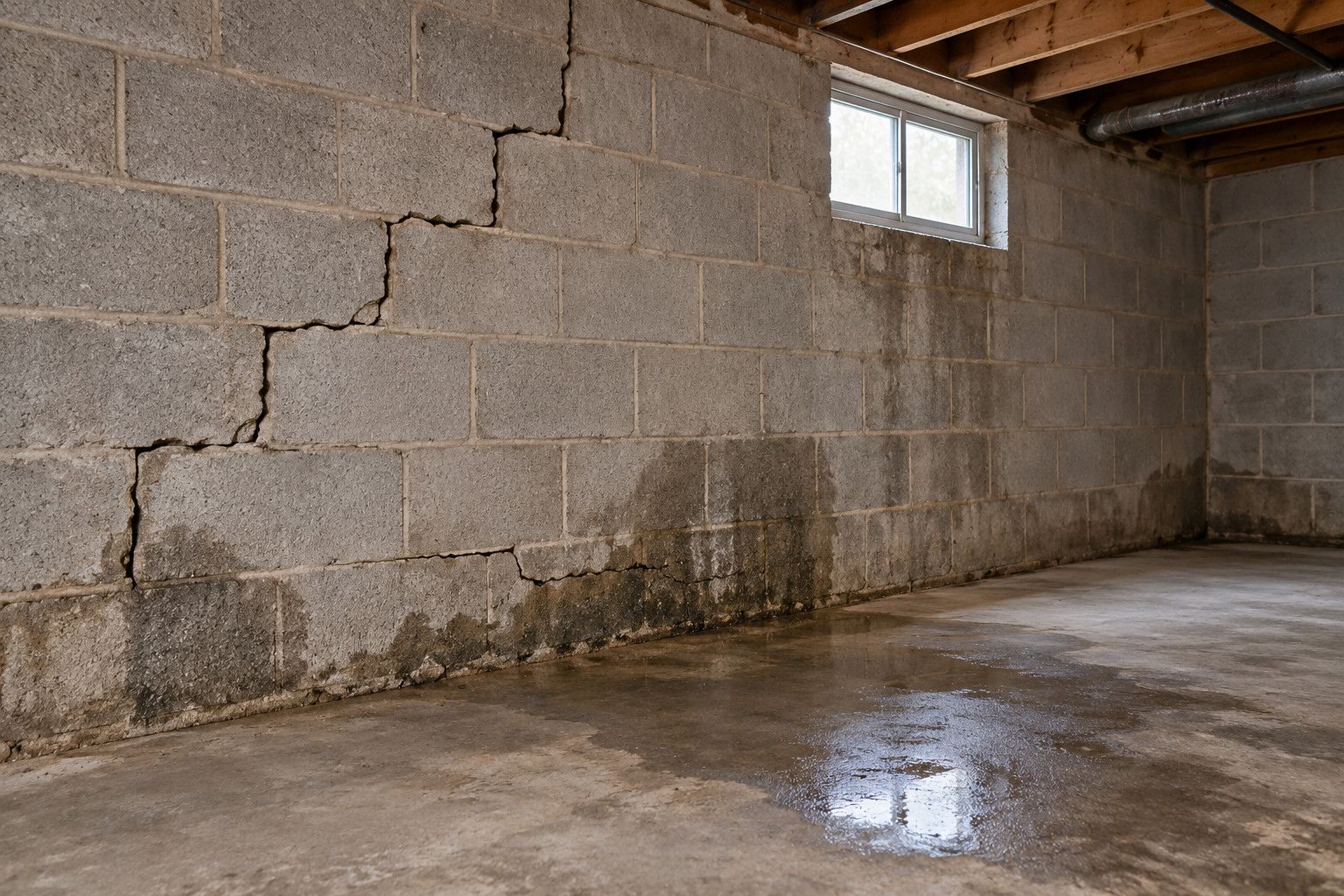
Settlement cracks occur when the ground underneath the concrete shifts or settles, causing the concrete to sink and crack. These cracks are usually more extensive and can compromise the stability of the concrete.
4. Structural Cracks
Cracking that may affect a load-bearing element requires professional assessment. Do not assume a structural problem is resolved by filling or covering the opening. Visible displacement, ongoing movement or other signs of distress deserve prompt attention from a qualified professional.
How Concrete Crack Repairs Are Selected
A suitable repair follows an assessment of the cause, whether movement continues, the role of the concrete and the exposure. The following explains common approaches and the questions they raise. It does not provide do-it-yourself instructions for structural repair.
1. Fillers for Assessed Nonstructural Cracks
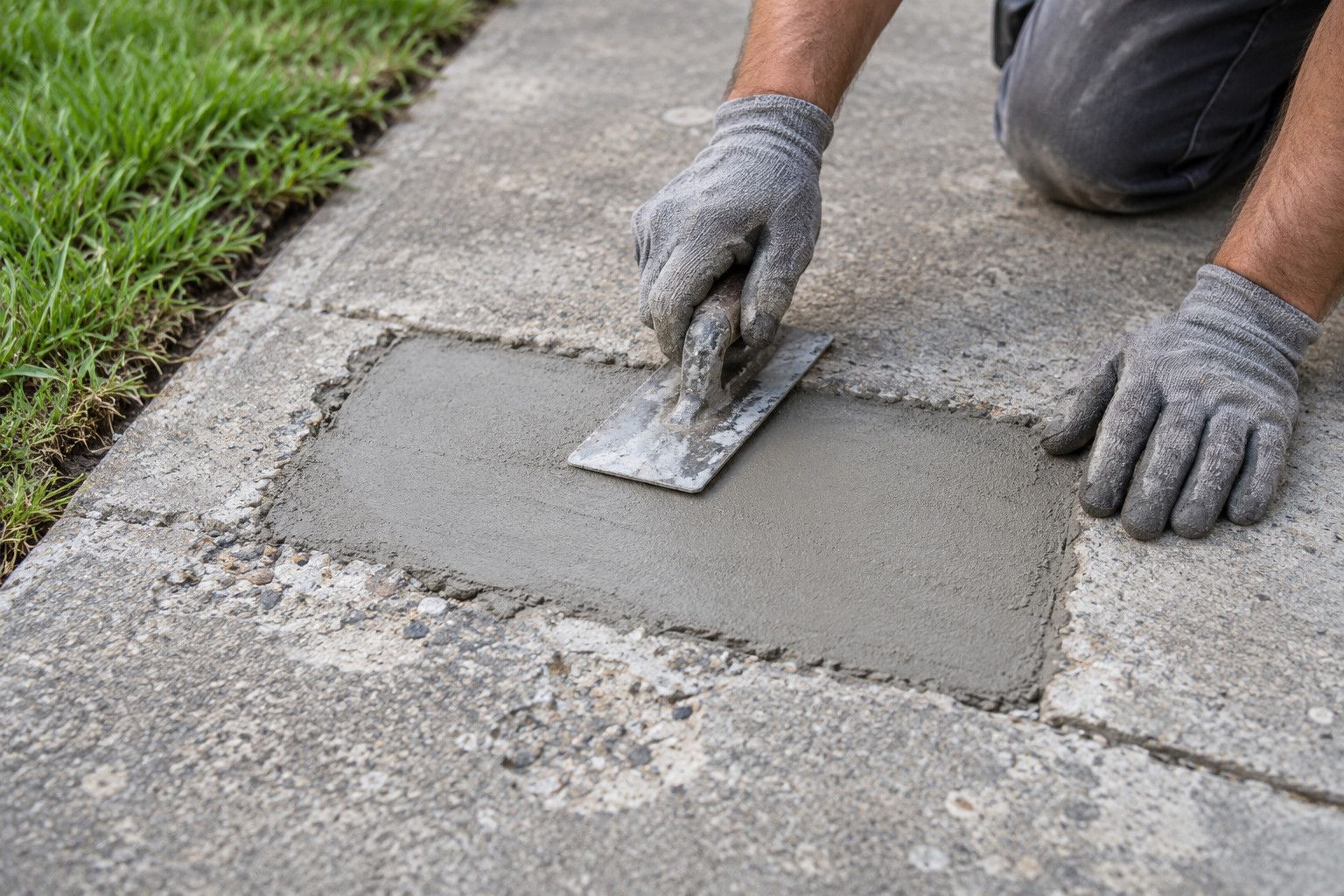
For a crack confirmed as a suitable nonstructural condition, a compatible filler may help address the opening or limit water entry. The material must suit the substrate, exposure and movement. Filling a crack does not repair the cause of settlement.
- Questions to Ask: Is the crack stable, what preparation is required, which product is compatible and what result should be expected? Follow the selected system’s instructions only after the appropriate repair approach is established.
2. Professionally Specified Injection Repairs
Epoxy injection may be part of an appropriate repair design, but it is not selected simply because a crack is large. Moisture, movement, substrate condition and the structural purpose affect whether an injection method is suitable.
- Professional Scope: Ask who specifies the system, carries out the work and verifies the result. Injection should not be described as automatically restoring the concrete’s original strength.
3. Structural Cracks Require Assessment and a Repair Design
Do not treat a suspected structural crack as a do-it-yourself patching job. A qualified design professional may need to investigate the cause, loading and ongoing movement before defining a repair. The visible opening is only one part of the condition.
- Before Work Begins: Record the symptoms and arrange qualified assessment. A surface patch or added mesh does not establish that load-bearing capacity has been restored. Capitol Concrete can discuss construction work within an appropriate, clearly defined repair scope.
4. Resurfacing and Replacement Decisions
Resurfacing may be an option for a suitable underlying slab when the objective is surface renewal. It cannot be assumed to correct active movement, settlement or structural damage. Where the existing concrete is unsuitable, replacement or other work may be more appropriate.
- Questions to Ask: What caused the damage, is the substrate sound enough for the proposed system, and how will joints, drainage and continuing movement be handled? Compare preparation, limitations and maintenance before selecting a treatment.
Reduce risks through design and care
- Review Surface Protection: Use compatible sealers where appropriate, following the product and installer guidance. No sealer guarantees prevention of cracks.
- Plan Joints and Drainage: Joint design helps manage certain movement and shrinkage behavior; drainage manages water. They are separate planning subjects and neither replaces the other.
- Avoid Heavy Loads: Only park heavy vehicles on concrete surfaces designed to support their weight.
- Record Condition Changes: Inspect periodically and after relevant events. Photograph changes and seek advice about recurring cracks, displacement or moisture rather than waiting for an arbitrary width threshold.
When to Call a Professional
Seek professional assessment for suspected structural cracking, ongoing movement, displacement, recurring repairs, water entry or widespread deterioration. Capitol Concrete can discuss the visible condition and proposed work, including when a qualified engineer or other specialist should be involved. Avoid covering up a developing problem simply to improve its appearance.
Discuss the condition and repair scope
Contact Capitol Concrete with the property location, crack photographs, when the change appeared and any known construction or repair history. Explore masonry and concrete repair, the broader repair and maintenance guide, foundation planning and driveway aftercare for related topics.