What environmental planning includes
For projects in Albany, Saratoga, Rensselaer and Schenectady counties, sustainability is a planning question that connects materials, drainage, maintenance and the surrounding landscape. This guide explains options a property owner can discuss with a construction team. Unless explicitly identified as Capitol Concrete’s commitment, the approaches and examples below are educational possibilities, not a record of equipment, certifications or completed Capitol projects.
Ten trees per job and local commitments
Capitol Concrete’s owner-confirmed commitment is to plant a minimum of 10 trees for every completed job. Local ownership, hiring, materials and community involvement also belong in the project conversation. The specific materials and environmental measures for a construction project should be documented in its scope. Read about our tree-planting commitment and community commitments.
Evaluate the proposed concrete materials
“Green concrete” is a broad term, often used for mixes incorporating recycled materials or industrial byproducts. A project team may consider these options to reduce demand for new raw materials or the impact of a specified mix. Suitability depends on the design, supplier information, performance requirements and availability. This guide does not establish that Capitol Concrete produces its own concrete or uses a particular mix on every job.
Benefits of Green Concrete
- Material impacts: Fly ash, slag cement or other cementitious materials may be evaluated as part of a specified mix. Compare supplier documentation and the complete project requirements before assigning a carbon-reduction figure.
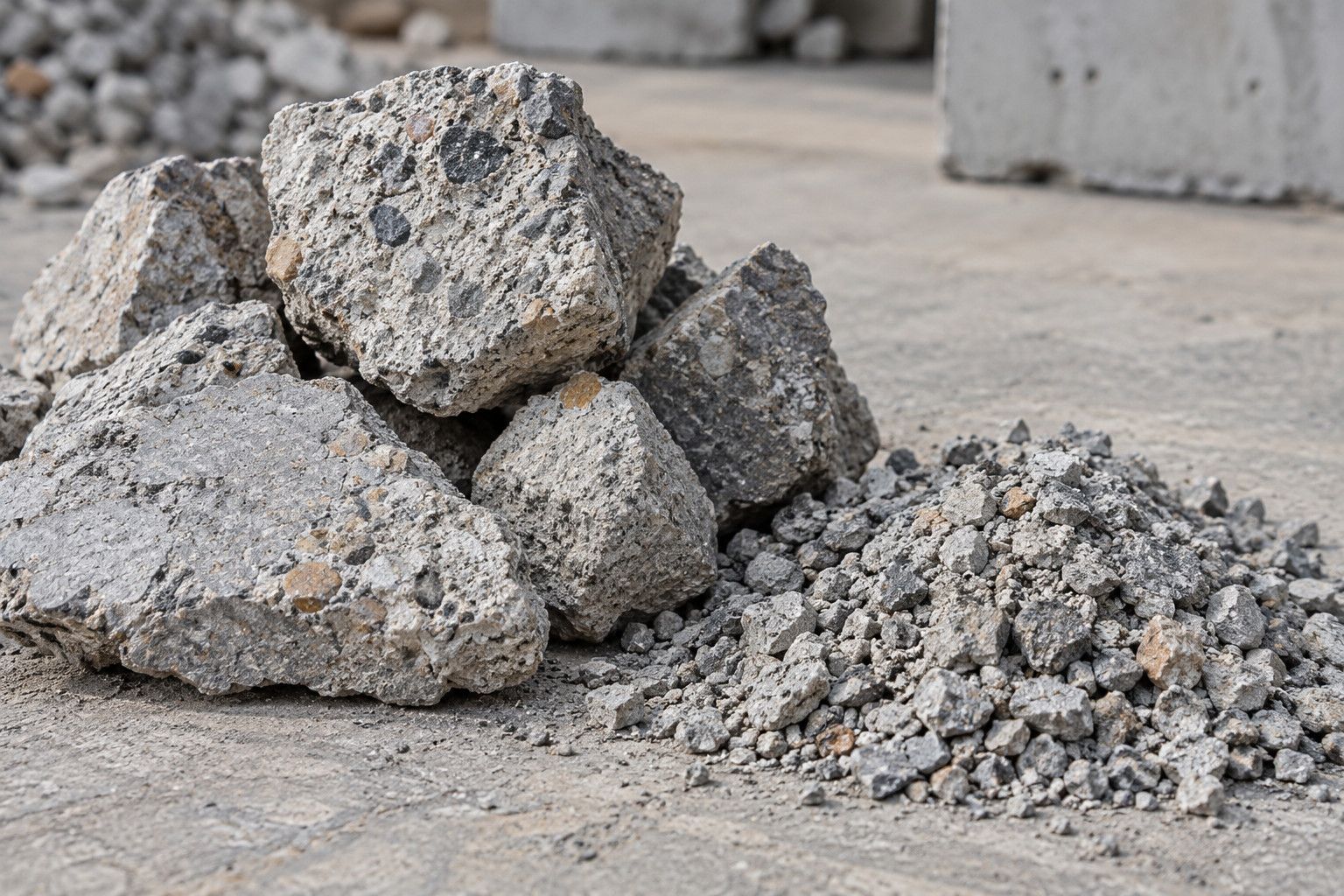
- Waste reduction: Recycled aggregate may create a use for material that would otherwise be discarded. Confirm the source, quality and permitted application with the project team.
- Performance: Strength, durability and service life remain design requirements. “Green” is not, by itself, proof that a mix will outperform another product.
Eco-Friendly Hardscaping Practices
Hardscaping can be planned around water movement, material quantities and the long-term use of a property. Permeable concrete and permeable paver systems are options to evaluate where infiltration is appropriate. They require suitable site conditions and maintenance; neither the material name nor its installation alone guarantees protection from flooding or erosion.
Permeable Concrete Solutions
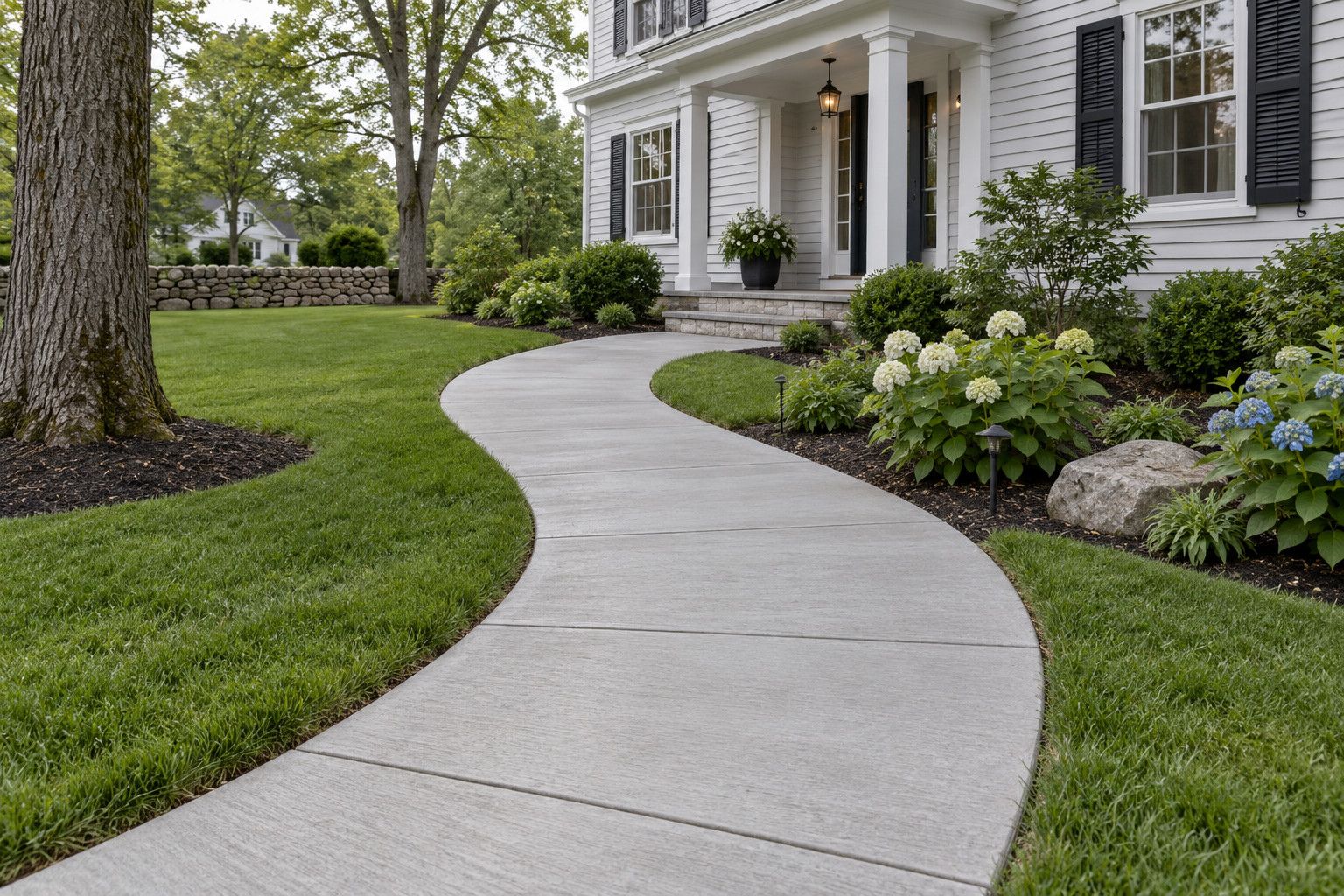
Permeable concrete is a porous paving system intended to allow water to pass through its surface. It may be considered for a driveway, walkway or parking area after assessment of the site, drainage design and intended loading. Water-quality or infiltration performance must be evaluated for the actual system rather than assumed from the surface appearance.
Advantages of Permeable Concrete
- Stormwater management: Consider whether infiltration, detention or another drainage approach fits the site and applicable requirements.
- Heat and surface color: Surface color and the surrounding landscape can be design considerations. Do not assume all permeable materials have the same temperature performance.
- Environmental requirements: The design team should confirm applicable stormwater obligations and approvals; choosing a permeable surface does not automatically establish compliance.
Innovations in Retaining Wall Construction
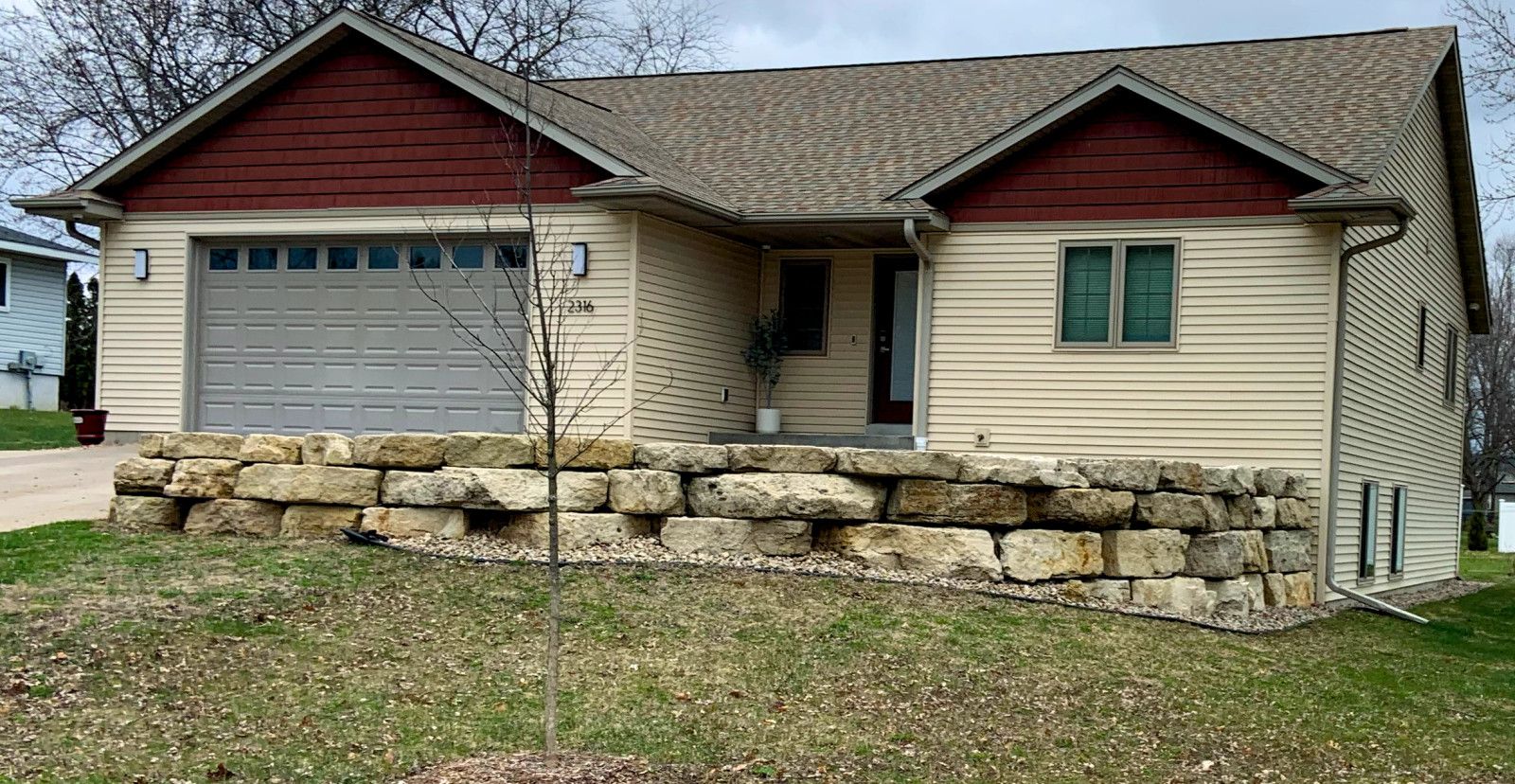
Retaining-wall planning can include recycled-content units, locally available materials and a layout that uses resources efficiently. Structural function, drainage, site conditions and required design remain central. Confirm the actual block or stone specification instead of inferring recycled content from appearance.
Materials and Methods
- Recycled concrete blocks: Ask the supplier for product and recycled-content information and confirm that the proposed units suit the wall design.
- Local stone: A local source can reduce some transport distances, but availability, quantity and the full supply chain still need consideration.
- Sustainable design: Balance the wall’s purpose, drainage, material needs, maintenance and expected service life.
Equipment energy options to evaluate
Equipment energy use is another topic for construction planning. The following describes possible approaches in the industry; it does not claim that Capitol Concrete owns solar generators or charges its tools with renewable power.
Solar-Powered Equipment
- Solar generators: A project may evaluate solar-assisted power where the equipment demand, site access and operating conditions make it practical.
- Battery-powered tools: Consider the tool’s task, charging arrangements and electricity source. Battery operation alone does not establish renewable-energy use.
Benefits of Green Energy Use
- Emissions: Compare the actual equipment and energy sources, including any generator or charging supply, before claiming a reduction.
- Noise: Electric equipment may change the noise profile of some tasks, although the task itself can still be noisy.
- Energy planning: Match power arrangements to the work and avoid treating one technology as automatically suitable for every construction activity.
Promoting Biodiversity Through Landscaping
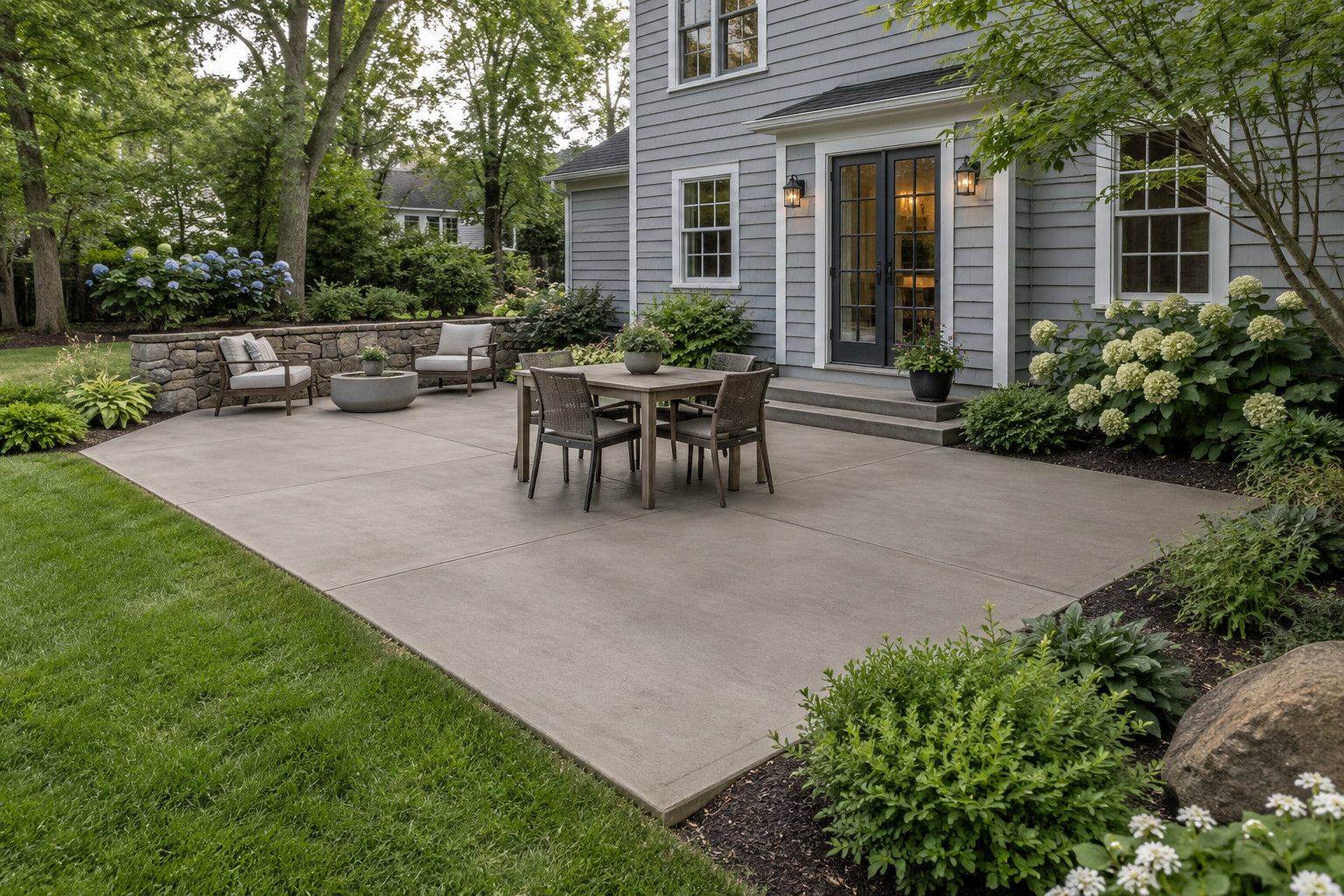
Landscape planning around concrete and retaining walls can consider regionally appropriate native plants and habitat. Plant selection belongs with the landscape designer or relevant specialist and should reflect the site, soil, light and maintenance needs. This is a planning topic, not an additional promise of a specialist landscaping service.
Use of Native Plants
- Adaptation: Choose plants suited to the actual site. Native status alone does not mean that a plant will need no watering or maintenance.
- Wildlife support: Appropriate planting can provide habitat and food sources; coordinate planting choices with the landscape plan.
- Plant health: Suitability and care affect pest pressure and maintenance. Avoid assuming that all native plants need fewer treatments.
Efficient Irrigation Systems
Water-use planning can include irrigation and rainwater collection where appropriate. Ask the relevant specialist to evaluate the options, maintenance and any local requirements. These examples do not confirm that Capitol Concrete installs every irrigation or harvesting system.
Irrigation System Design
- Drip Irrigation: Delivers water directly to plant roots, minimizing evaporation.
- Smart Controllers: Adjusts watering schedules based on weather conditions.
- Rainwater Harvesting: Collects and reuses rainwater for irrigation.
Local commitments and documented partnerships
Capitol Concrete’s local hiring, materials and community commitments are part of its owner-confirmed business direction. Specific environmental partnerships, events or programs should be described by name only when the current arrangement is documented.
Collaboration with Local Organizations
- Workshops and seminars: Educational events are one possible way a construction business can support informed property decisions. No specific Capitol event is claimed here.
- Partnerships: Community or environmental partnerships should identify the participating organization and actual activity rather than implying an unnamed affiliation.
Feedback and Continuous Improvement
- Client input: Discuss project priorities, including maintenance, drainage and material preferences, at the start and as the scope develops.
- Adaptation: Evaluate new materials and methods against available evidence, project requirements and practical experience.
Verify project requirements and credentials
Environmental requirements depend on the project and jurisdiction. Identify applicable permits, waste handling and other responsibilities in the project documentation. A general sustainability statement is not proof of compliance or certification.
Regulatory Compliance
- Permits and approvals: Clarify which approvals the project requires, who obtains them and when they must be in place.
- Waste management: Identify practical disposal, reuse or recycling arrangements for the materials actually generated.
Certifications
- LEED: A project may pursue requirements associated with Leadership in Energy and Environmental Design. That does not establish a company certification or mean every project is LEED-certified.
- Professional development: Verify the holder, issuer, scope and current status of any sustainability credential before relying on it in a proposal.
Concrete Repair and Maintenance
Understanding that the longevity of concrete structures depends on timely repairs and maintenance, we offer comprehensive services.
Our Repair Services Include
- Crack assessment and sealing: Determine the cause and suitability of the repair before selecting a filler or sealing method.
- Surface resurfacing: An appropriate surface treatment may improve appearance or use, but it does not automatically restore structural capacity.
- Structural concerns: Foundational movement or suspected structural damage calls for qualified assessment and a defined repair scope.
Illustrative Planning Examples
A Permeable Driveway in Saratoga Springs
- Setting: A hypothetical residential driveway in Saratoga Springs, within the confirmed service area.
- Planning question: Could a permeable system suit the property’s drainage, ground conditions and vehicle use? Confirm feasibility before choosing the material.
- Evidence to seek: A project-specific drainage design, product information and maintenance plan. This is not a documented Capitol project or a promised property-value result.
An Albany Retaining Wall with Recycled-Content Materials
- Setting: A hypothetical retaining-wall project in Albany.
- Planning question: Are suitable recycled-content blocks available for the proposed wall, and do they meet its design requirements?
- Evidence to seek: Supplier information, wall design and drainage details. This educational example does not identify completed Capitol work.
Landscape Planning for an Albany County Community Park
- Setting: A hypothetical community space in Albany County.
- Planning question: How could native planting and carefully selected irrigation complement paved areas while meeting the site’s intended use?
- Evidence to seek: A landscape and maintenance plan prepared with the responsible specialists. No Capitol park contract or completed outcome is asserted.
Discuss the project with Capitol
Choosing Capitol Concrete means entrusting your project to a team where quality, professionalism, and client satisfaction are paramount.
Our Commitment to You
- Experienced Professionals: Our team brings expertise to every project.
- Quality Workmanship: Prioritizing excellence in all aspects of our work.
- Sustainability priorities: Discuss the tree commitment, local materials and feasible project measures with the team.
Compare service life, care and cost
Quality Workmanship
- Attention to Detail: Ensuring high standards in construction.
- Durable results: Consider service life and maintenance in the design; no construction method eliminates future care.
Cost Savings
- Lifecycle costs: Compare installation, care, repairs and renewal. A sustainability label alone does not guarantee lower costs.
- Energy costs: Any energy-saving claim should identify the measure, assumptions and project to which it applies.
Environmental Responsibility
- Environmental responsibility: Make specific, documented choices about materials and site work instead of relying on broad green claims.
- Community involvement: Explain actual commitments and activities without inventing memberships, certifications or quantified outcomes.
Insurance and contract documentation
Capitol Concrete is insured and bonded. Ask for the documentation relevant to the proposed project and its contract requirements. Insurance does not guarantee that damage cannot occur or establish automatic coverage for every loss.
Start a project conversation
For comprehensive, tailored, and professional concrete services in Upstate New York, Capitol Concrete is your preferred partner.
- Phone: (518) 690-6863
- Email: info@capitolconcrete.com
- Albany operations location: 19 Dove St. STE 102, Albany, NY 12210. Begin inquiries by phone or email; site visits are arranged rather than walk-in appointments.
Document the measures in the proposal
For Albany and Saratoga County projects, environmental planning connects the material specification, drainage, construction process and the way the property will be cared for. Keep those considerations visible in the proposal and verify the measures that will actually be used. The same questions are useful for work elsewhere in the confirmed Capital Region service area.
Contact Capitol Concrete to discuss your site, intended scope and priorities. Learn more about residential work, excavation and drainage, and the minimum 10 trees per completed job commitment.