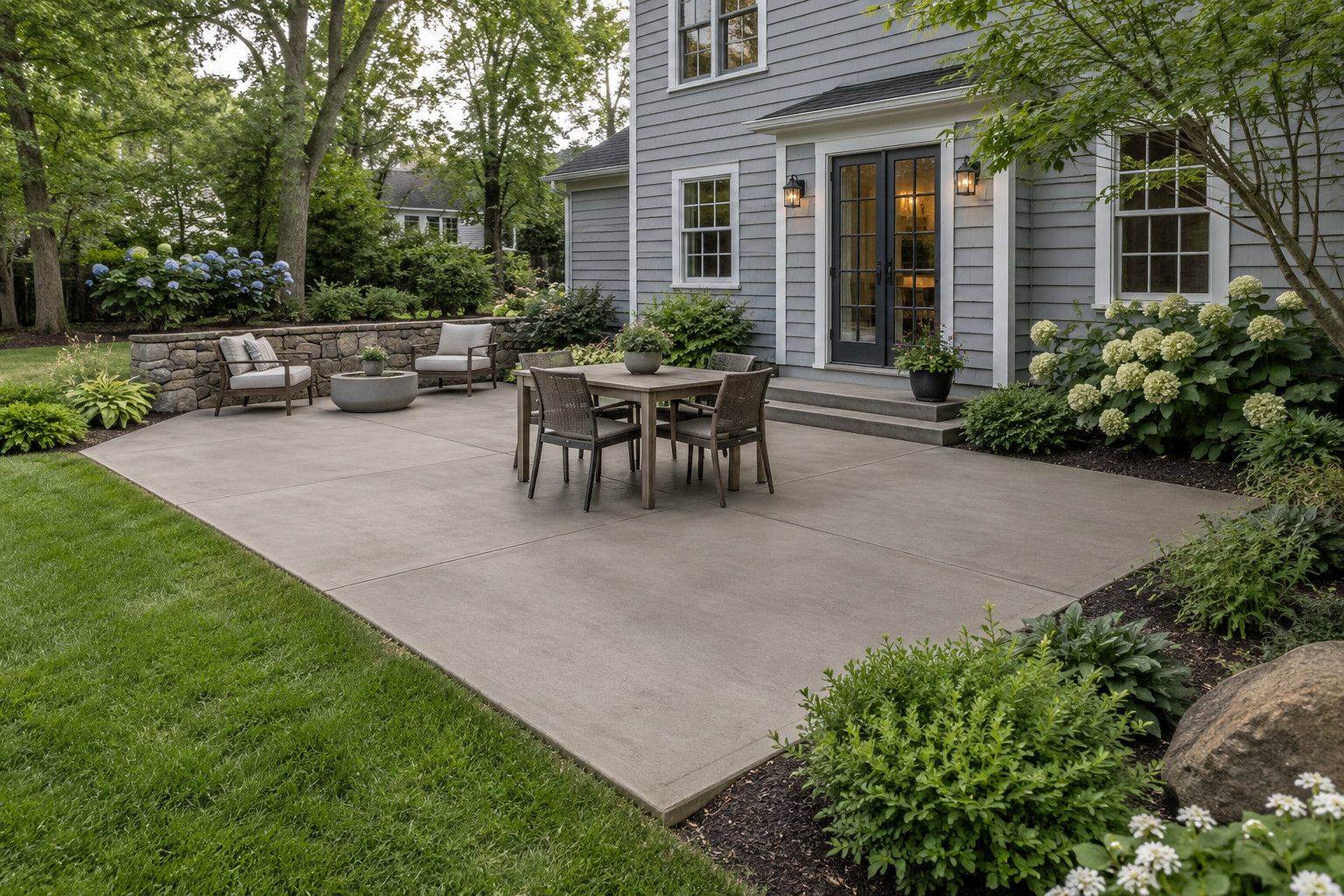
Concrete walkways are more than just a pathway from one place to another—they’re a durable, long-lasting feature that can significantly boost your property’s aesthetic appeal and functionality. At Capitol Concrete, we specialize in designing and installing high-quality concrete walkways throughout Upstate New York, serving areas like Albany, Saratoga, Troy, and beyond. In this guide, we’ll cover the top benefits of concrete walkways, why they’re ideal for our region’s climate, and how they stack up against other materials.
Plan the route for local conditions
In a region like Upstate NY, where the weather can be unpredictable, it’s essential to choose a walkway material that can withstand freezing winters, hot summers, and everything in between. Concrete is one of the most durable materials available for outdoor surfaces, making it an excellent choice for residential and commercial properties alike.
What to weigh when choosing concrete
1. Durability and Longevity
- Strength and Exposure: A concrete walkway can serve residential or commercial foot traffic when its design, base preparation, drainage and finish suit the location. Concrete, asphalt and gravel each have maintenance and weather-related limitations; concrete can also crack or deteriorate.
- Service Life: Installation quality, drainage, traffic, winter maintenance and repair history affect longevity. Compare those factors with the proposed construction and maintenance plan instead of relying on a universal lifespan figure.
2. Low Maintenance Requirements
- Routine Care: Cleaning, observation and appropriate surface care are part of walkway ownership. Compared with wood, concrete avoids wood-specific concerns such as rot, but it still needs attention to cracks, surface wear and drainage.
- Finish-Specific Maintenance: Ask for cleaning and sealer guidance for the particular finish. Pressure washing or a fixed recoating schedule is not suitable for every surface.
3. Planning for Freeze-Thaw Exposure
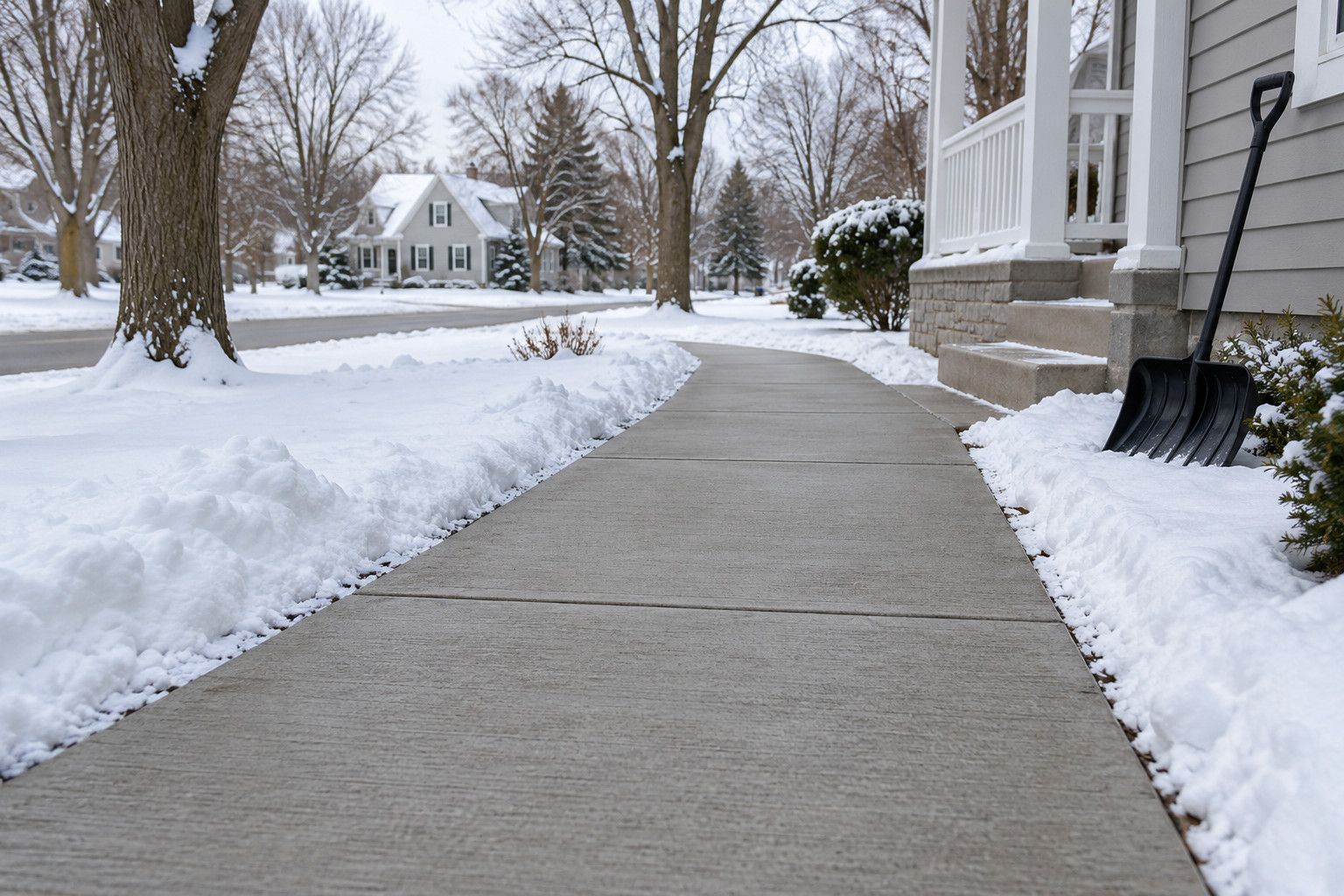
- Winter Conditions: Concrete is vulnerable to freeze-thaw damage as well as other causes of cracking. Appropriate materials, installation, drainage and maintenance matter more than a blanket claim that one paving material always outperforms another in cold weather.
4. Customizable Aesthetic Options
- Decorative Options: Stamped concrete can suggest stone, brick or tile patterns. Compare samples and project-specific pricing rather than assuming a particular saving against the original material.
- At Capitol Concrete, we offer custom concrete walkway designs, allowing you to choose colors, patterns, and textures that enhance your property’s curb appeal. Whether you’re looking for a classic stone look or a modern geometric design, we can create a walkway that fits your style.
5. Environmental Considerations
- Compare the Whole Project: Environmental impact depends on the material specification, quantities, transport, construction and service life. Local sourcing can be part of that discussion; concrete should not be described as universally lower-impact than asphalt without a project-specific comparison.
- Permeable Options: Permeable concrete is a paving approach to discuss where stormwater infiltration is a project goal. Site conditions, design, maintenance and product availability determine suitability. Its mention here does not confirm availability for every Capitol Concrete project.
6. Curb Appeal and Property Planning
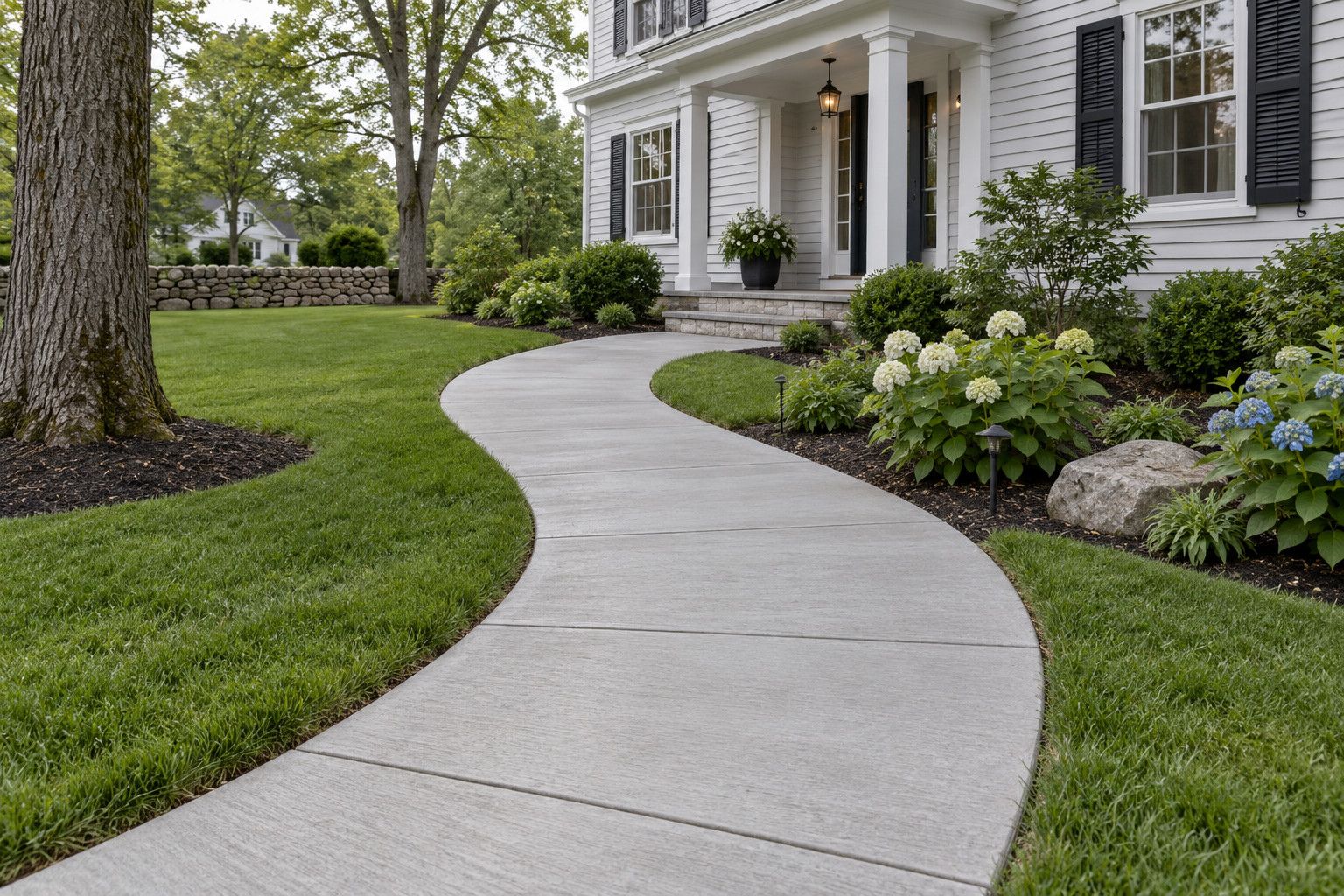
- First Impressions: A well-planned walkway can improve the approach to a property and make the route more useful. Consider entrances, steps, parking and landscape connections alongside appearance.
- Value and Budget: The effect on resale value depends on the property and market. No fixed return on investment is promised. Compare the benefit to daily use with the full installed cost and maintenance expectations.
Compare concrete, asphalt, gravel and pavers
When choosing a walkway material, it’s essential to consider the pros and cons of each option. Here’s how concrete walkways stack up against alternatives like asphalt, gravel, and pavers.
Concrete vs. Asphalt Walkways
- Durability: Compare the proposed concrete and asphalt specifications, expected use and local conditions. Both can deteriorate; good preparation and maintenance affect the result.
- Maintenance: Ask for the cleaning, sealing, repair and renewal needs of each proposed surface rather than assuming a fixed maintenance advantage.
- Aesthetic Options: Asphalt is limited in appearance, while concrete can be customized with stamping, coloring, and texturing to achieve a wide range of looks.
Concrete vs. Gravel Walkways
- Longevity: Gravel walkways may need frequent replenishing and maintenance, as stones can shift and spread over time. Concrete, once installed, is stable and long-lasting.
- Access: Loose gravel can shift underfoot. Concrete provides a continuous surface, but slope, finish, water, ice and maintenance still affect traction and accessibility.
- Maintenance: Gravel may need raking and replenishment. Concrete needs cleaning, condition checks and care appropriate to its finish and exposure.
Concrete vs. Pavers
- Cost: Paver installation involves setting individual units. Concrete and paver prices also depend on access, preparation, patterns, drainage and total area, so compare equivalent scopes.
- Durability: Both pavers and concrete depend on a suitable base and drainage. Pavers may shift; concrete can crack or settle. Consider how each system would be repaired.
- Aesthetic Flexibility: Pavers offer individual units and joint patterns; stamped concrete offers patterns within a continuous slab. Compare samples, maintenance and repair appearance as well as initial price.
Concrete Walkway Options to Discuss
Standard, stamped and colored concrete provide different ways to shape the approach to a property. Permeable paving is a further planning topic where site and drainage conditions support it. Confirm the selected finish, samples and availability in the project proposal.
- Standard Concrete Walkways: Durable, simple, and cost-effective, standard concrete walkways are a great choice for homeowners looking for a practical path that withstands weather and heavy foot traffic.
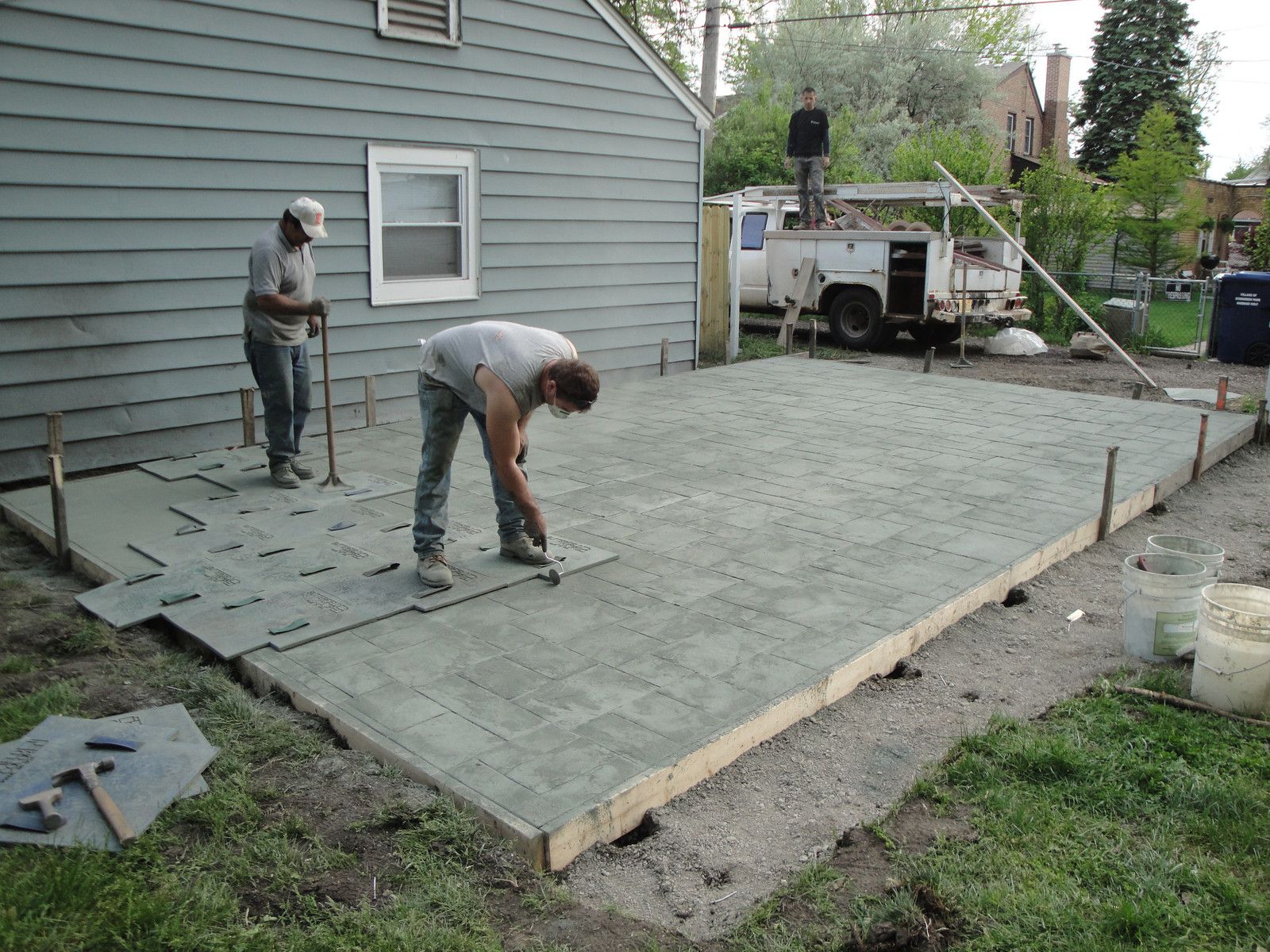
- Stamped Concrete Walkways: These walkways add a decorative element to your landscape. We offer a range of patterns, such as brick, stone, and slate, allowing you to achieve a custom look.
- Colored Concrete Walkways: If you want to add a splash of color, we provide colored concrete options. This approach can enhance your property’s aesthetic appeal and help your walkway blend seamlessly with your home’s exterior.
- Permeable Concrete Walkways: These systems are intended to let water pass through the surface. They need site-specific assessment and a suitable maintenance plan; discuss feasibility rather than treating them as a universal upgrade.
Installation Process for Concrete Walkways
A walkway project moves from scope and site review into preparation, placement, finishing and handover. The exact sequence depends on the design and finish. The following overview describes the stages to clarify in a proposal, rather than a do-it-yourself installation procedure:
- Initial Consultation and Design: We start by discussing your vision, style preferences, and any specific needs. We also evaluate the site to determine the best design and materials.
- Excavation and Preparation: Establish levels, drainage, access and the base required by the proposed walkway before placement. The site assessment should identify preparation work and connections to surrounding surfaces.
- Form Setting and Placement: Forms establish the agreed shape and levels. Placement, joints and curing need to suit the specification and conditions.
- Finishing: Stamped, colored or other finishes affect the work sequence and aftercare. Confirm finish samples and any compatible sealer requirements before construction.
- Final Inspection: After the walkway is complete, we perform a final inspection to ensure every detail meets our quality standards.
Discuss the walkway design and scope
Capitol Concrete has built a reputation for quality craftsmanship, attention to detail, and excellent customer service in Albany, Saratoga, Troy, and other areas in Upstate New York. Here’s what sets us apart:
- Experienced Team: Our crew has years of experience installing concrete walkways in Upstate NY, so we understand how to build surfaces that stand up to the region’s climate.
- Customized Solutions: We offer tailored designs and finishes to ensure your walkway enhances your property’s overall aesthetic.
- Environmental Goals: Raise local material sourcing, drainage and other sustainability priorities during planning so that feasible measures can be included in the agreed scope.
- Reliable Service: From initial consultation to project completion, we prioritize clear communication, transparency, and customer satisfaction.
Arrange a walkway consultation
To discuss a concrete walkway for a home or commercial property in Albany, Saratoga, Troy or the surrounding confirmed service area, contact Capitol Concrete. Share the location, intended use, approximate route and any access or drainage concerns so the conversation can begin with a clear scope.
Explore residential walkway and outdoor work, commercial sidewalks and site concrete, and environmental planning considerations. Review Albany County and the confirmed service area when discussing a project location.