Excavation · Capital Region, NY

Utility trenching & excavation.

Trench excavation for electrical, water and sewer-related construction. We coordinate the route, installation window and surface restoration with the trade responsible for the utility itself.

Free consultation. No obligation.

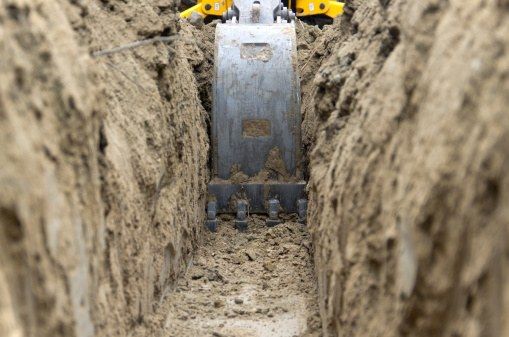
Excavator bucket digging a narrow trench through soil
Capitol ConcreteInsured & bondedLocally owned
On this page

Define the work

An excavation package has three parts.

Before the trench

Locate existing facilities, establish the new route and identify the surfaces it crosses. Public utility markings and private property services are not the same thing.

What to consider — Before the trench

Include privately installed lines to garages, outbuildings or other equipment in the site information.

During installation

The installing trade supplies the relevant system details, with excavation, bedding and inspection stages coordinated around them.

What to consider — During installation

Excavating a trench does not automatically include electrical, plumbing or utility connection work.

After backfill

Concrete, paving, grading and landscape restoration need explicit limits. A narrow excavation can affect a much wider area through access and material storage.

What to consider — After backfill

Specify the finished surface you expect, not only that the trench will be filled.

Resolve existing services before choosing the route

A direct line on a drawing may cross utilities, roots or hardscape. UDig NY explains that member utility markings do not cover private facilities. Identify how those private services will be located and who coordinates the applicable location requests. Do not treat an unmarked lawn as proof that it is clear.

Match excavation to installation and inspection

Depth, width, bedding and separation requirements come from the applicable utility and project details. Schedule the installing trade and required inspections with the excavation. Leaving an open trench while a missing detail is resolved adds disruption. Excavation safety and access controls belong to the work plan, not to a homeowner’s entry into the trench.

Restore the route as a complete surface

Cutting through a driveway may require replacement beyond the trench width to reach appropriate panel boundaries. A lawn crossing needs a different finish. Discuss compaction, grade and restoration timing, including how access to doors or parking will be maintained. Existing and new concrete may remain visibly different.

From first conversation to completion

How the work comes together.

  1. Coordinate the route

    Establish existing facilities, connection locations and the installing trade’s requirements.

  2. Open and install

    Align excavation, system installation and inspection before closure.

  3. Backfill and restore

    Complete the agreed fill and finish so the route is usable again.

Working with Capitol

In our customers’ words.

A customer’s experience with our team.

Excavation
Review excerpt:

“They hit every deadline and kept the project moving smoothly.”

Tim ReinerGeneral Contractor
Read full reviewClose full review from Tim Reiner

“We brought them on for a large-scale excavation project, and they exceeded expectations. Their team was efficient, safety-conscious, and worked seamlessly with our crew. They hit every deadline and kept the project moving smoothly. Communication was clear from start to finish, and the quality of work was spot on. Definitely a reliable partner for future projects.”

Before you approve the work

Review the trench from connection to restoration.

Digging is only one part of a utility connection. Location, provider requirements, inspection and reinstatement determine whether the whole scope is covered.

Do utility marks identify everything underground?

UDig NY’s member utilities do not mark privately owned facilities. Lines to a detached building, irrigation or other owner-installed systems may need separate location arrangements. Establish those responsibilities before excavation, along with the utility-response process. An old sketch can be helpful background but should not be treated as proof of a clear digging route. Existing marks also do not define the new installation’s approved depth or separation.

Who installs, inspects and accepts the new service?

The excavator’s scope may cover the trench and backfill while a utility provider or licensed trade supplies and connects the service. Clarify bedding, materials, required inspections, testing and permission to cover the work. Those handoffs affect both schedule and price. Do not assume a trenching estimate includes a functioning connection simply because the route runs between the correct two points.

What does “backfill and restore” actually mean?

Restoring a lawn, driveway or finished interior is not the same task. Define the reinstatement width, surface material and finish at every crossing, including who addresses later settlement under the agreed terms. A narrow excavation can still disturb a wider work area through equipment access and stockpiling. Ask what will be protected, what will be replaced and what remains the owner’s or another trade’s responsibility.

Before the project is handed over

Request available route and inspection records before the work is buried. Keep them for future maintenance and planning; they do not replace locating utilities before later excavation.

Link to this estimate guide

Your investment

What shapes the estimate?

Route length, required dimensions, surface removal, access, ground conditions, material handling and restoration affect pricing. The service installation and excavation may be separate contracts; compare the complete scope needed to finish the connection.

What we can include
  • Electrical service trench excavation
  • Water and plumbing trenches
  • Sewer-related excavation
  • Backfill and surface-restoration scope coordination

A useful first conversation

Bring the project into focus.

Start with the property address and the work you have in mind. Helpful details include:

  • Utility plans, connection locations and installing-trade details
  • Photos of the route and the surfaces it crosses
  • Known services, access restrictions and schedule requirements
Tell us about your project

We arrange a site visit and define the included work, responsibilities and project-specific warranty terms. Changes to scope, cost or timing are documented before changed work begins.

Before you begin

Questions about this work.

All project FAQs
Do you install the electrical or plumbing system?

This service covers excavation. The proposal explicitly identifies any additional construction and who installs the connected system. We coordinate trench work with the responsible utility trades.

Can a trench across concrete be restored?

We can discuss concrete removal and replacement as part of the scope. Existing finishes, repair limits, access and the construction sequence need review before an appearance or restoration method is agreed.

Your local construction team

Let’s look at your project.

Serving Albany, Saratoga, Schenectady and Rensselaer counties, plus Lake George and Gloversville. Contact us first; consultations are arranged at the project site.

Request a Free Estimate

Planning & care

Read before you build.

Technical reading behind this guidance

General planning references, not project specifications or evidence of a Capitol certification. Site conditions and the agreed design determine the work.