Masonry · Capital Region, NY

Stucco repair & restoration.

Stucco repair that considers the wall behind the finish. Capitol Concrete reviews cracks, damaged areas and recurring moisture before agreeing on repair limits, texture and color.

Free consultation. No obligation.

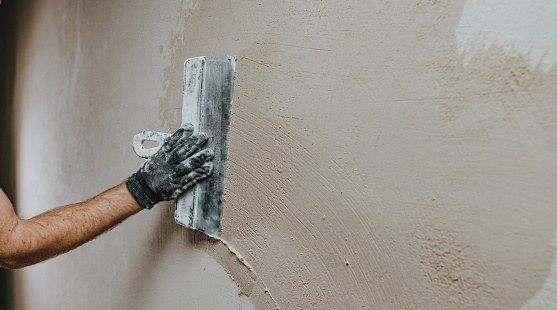
Hand applying a textured stucco finish to a light-colored wall
Capitol ConcreteInsured & bondedLocally owned
On this page

Understand your options

Start with the kind of damage.

An isolated surface defect

A localized crack or damaged patch may allow a limited repair after the surrounding material is assessed. Matching texture and color requires attention to the existing finish.

What to consider — An isolated surface defect

An apparently small patch can remain visible against a weathered wall.

Repeated cracking or staining

Damage that returns after patching calls for a review of movement, moisture and adjacent details. Another finish coat may leave the cause in place.

What to consider — Repeated cracking or staining

Provide earlier repair dates and photos showing how the condition changes.

Damage behind the finish

Soft, detached or water-damaged areas may involve the substrate and connected building work. The visible mark does not establish the repair depth.

What to consider — Damage behind the finish

Identify the wall system; traditional stucco and EIFS are not interchangeable assemblies.

Identify the assembly before choosing materials

The finish alone may not reveal the layers behind it. Original construction details or previous repair records help distinguish the system and suitable methods. We establish what can be repaired within the agreed scope after review; this page is not a claim to supply every proprietary EIFS or cladding system.

Repair the water path with the finish

Window edges, roof details and penetrations can introduce water behind stucco. If that entry continues, a good-looking surface patch may fail again. Determine which adjacent repairs must happen first and who performs them. The repair area may need to expand once concealed conditions are exposed.

Choose a sensible finish boundary

A small patch costs differently from refinishing a larger wall area, and the visual result differs too. Review texture, existing color variation and the edges where new work meets old. An agreed sample or clearly defined finish expectation is more useful than a promise of an invisible match.

From first conversation to completion

How the work comes together.

  1. Identify the wall

    Review the assembly, damage pattern and history of water or movement.

  2. Resolve connected defects

    Establish repair depth and related window, roof or substrate work.

  3. Restore the finish

    Agree on boundaries, texture and color expectations before the final surface work.

Working with Capitol

In our customers’ words.

A customer’s experience with our team.

Masonry
Review excerpt:

“Their attention to detail and ability to stay on schedule made my job so much easier.”

Doug CassidyProject Manager
Read full reviewClose full review from Doug Cassidy

“As a project manager, I’ve worked with several contractors, but this masonry team stands out. Their attention to detail and ability to stay on schedule made my job so much easier. We had some tricky stonework that required precision, and they nailed it. The crew was professional, responsive, and kept the site clean. I’ll definitely be recommending them for future projects.”

Before you approve the work

Understand the wall behind the finish.

A stucco crack can be a local finish defect or a clue to a larger water or movement problem. The wall assembly determines the appropriate repair.

Why identify the existing stucco system first?

Traditional stucco on masonry, stucco over lath and exterior insulation finish systems are not the same assembly. Their materials and repair details differ. Before choosing a patch, establish what is present and whether the surrounding material is sound and attached. A product selected only for matching texture may not be compatible with the underlying system. The estimate should identify both the repair material and the condition it assumes.

Can fresh coating solve recurring staining or cracks?

Not if water is entering through an unresolved opening, flashing or other defect. In a drained wall assembly, the concealed water-control layer and its connection at penetrations matter as much as the visible surface. Ask whether the scope includes investigating those interfaces and how any opening-up work is authorized. Painting over a symptom may improve appearance without correcting the route that allowed water into the wall.

How should appearance be agreed before patching?

Texture, aggregate, finish, color and the size of the treated area all influence how a patch reads. A small color sample does not establish the appearance of a complete repaired elevation. Agree on a representative trial where needed and define whether the work ends at the damaged area or extends to a natural boundary. Also record which sound surrounding finishes are being retained.

Before the project is handed over

Keep the selected material and finish information. If staining or cracking returns, reassess its cause before adding another surface treatment.

Link to this estimate guide

Your investment

What shapes the estimate?

Damage extent, preparation, access, concealed-condition review and finish matching affect the estimate. A visible crack does not reveal every layer of the wall, so the proposal should explain how newly exposed conditions will be handled.

What we can include
  • Stucco cracks, holes and damaged areas
  • Restoration and surface repairs
  • Texture and color-matching review
  • Water-damage investigation and trade coordination

A useful first conversation

Bring the project into focus.

Start with the property address and the work you have in mind. Helpful details include:

  • Close and wide photos of cracks, stains or damaged areas
  • Previous repair history and known leaks
  • Access details and your expectations for the finished appearance
Tell us about your project

We arrange a site visit and define the included work, responsibilities and project-specific warranty terms. Changes to scope, cost or timing are documented before changed work begins.

Before you begin

Questions about this work.

All project FAQs
Why does a repaired stucco crack come back?

Recurring damage can have more than one cause, including movement or water-related conditions. The area needs assessment before another surface repair is selected; a photo alone does not establish the cause.

Will a stucco repair match the surrounding wall?

We review texture and color options, but weathering and existing materials can make a patch visible. Finish expectations and the extent of restoration should be agreed before work starts.

Your local construction team

Let’s look at your project.

Serving Albany, Saratoga, Schenectady and Rensselaer counties, plus Lake George and Gloversville. Contact us first; consultations are arranged at the project site.

Request a Free Estimate
Technical reading behind this guidance

General planning references, not project specifications or evidence of a Capitol certification. Site conditions and the agreed design determine the work.