Masonry · Capital Region, NY

Brick repointing & stone masonry restoration.

Brick repointing and stone masonry restoration for homes and commercial buildings. We focus on the existing material, the source of deterioration and repairs that belong with the building.

Free consultation. No obligation.

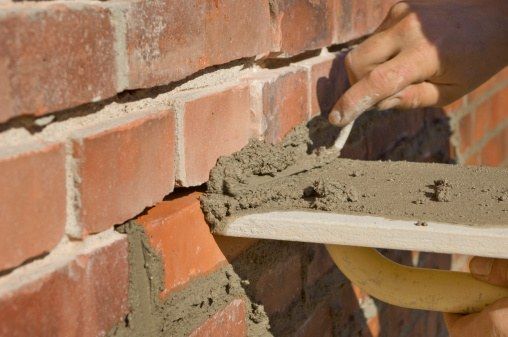
Worker placing mortar into the joints of an existing brick wall
Capitol ConcreteInsured & bondedLocally owned
On this page

Understand your options

Match the repair to the material.

Mortar-joint deterioration

Repointing replaces deteriorated joint mortar while retaining suitable masonry units. Joint preparation and compatible replacement mortar matter as much as the final color.

What to consider — Mortar-joint deterioration

Harder mortar is not automatically a better match for older, softer masonry.

Damaged brick or stone

Spalled, fractured or missing units may need separate repair or replacement. Repointing alone does not rebuild damaged units or resolve displacement.

What to consider — Damaged brick or stone

Identify whether the estimate includes unit work as well as joint repairs.

A broader facade problem

Repeated staining or concentrated deterioration can point to water paths and surrounding details. Restoration may need coordination with roof edges, openings or other trades.

What to consider — A broader facade problem

Inspect the area above the damage before treating only the visible patch.

Match compatibility, not only color

Older brick and mortar can behave differently from modern replacements. Strength, moisture behavior, texture and joint profile all influence a suitable repair. The National Park Service advises compatible repointing materials for historic masonry. A visually similar but inappropriate mortar can create problems for the units it is supposed to protect.

Keep sound material where possible

The extent of restoration should follow condition, not an assumption that an entire facade needs replacement. Local joint work, unit replacement and larger reconstruction are different packages. A representative sample can help establish appearance expectations before wider work, especially where weathering and past repairs have created variation.

Follow the water path

Damaged joints below a leaking detail may recur if the source remains. Review caps, roof connections, openings and ground-level exposure alongside the masonry. Identify which related repairs are included and which sit with another trade. Avoid treating a blanket coating as a substitute for understanding why the wall is wet.

From first conversation to completion

How the work comes together.

  1. Read the existing wall

    Review materials, past repairs, deterioration and water exposure.

  2. Agree on the repair

    Establish joint work, unit replacement and matching expectations.

  3. Restore in context

    Coordinate adjacent details and protect the repaired masonry as required.

Working with Capitol

In our customers’ words.

A customer’s experience with our team.

Masonry
Review excerpt:

“Their attention to detail and ability to stay on schedule made my job so much easier.”

Doug CassidyProject Manager
Read full reviewClose full review from Doug Cassidy

“As a project manager, I’ve worked with several contractors, but this masonry team stands out. Their attention to detail and ability to stay on schedule made my job so much easier. We had some tricky stonework that required precision, and they nailed it. The crew was professional, responsive, and kept the site clean. I’ll definitely be recommending them for future projects.”

Before you approve the work

Preserve the masonry, not just its appearance.

On older buildings, the strongest mortar or most aggressive cleaning method can be the wrong choice. Compatibility deserves a place in the estimate.

Why is stronger mortar not always better?

Repointing mortar must work with the existing brick or stone and the original assembly. On historic masonry, an overly hard or insufficiently permeable replacement can transfer stress or moisture problems into the units. Compare more than the joint color: ask how material compatibility is assessed and what sample will establish texture and tooling. A neat new joint can still be the wrong repair if its physical behavior is unsuitable.

What should cleaning trials establish?

The purpose is to remove unwanted deposits without damaging the masonry surface. Aggressive abrasives or unsuitable chemicals can cause permanent loss or staining. A representative test area should establish the method and appearance before work expands. Ask how adjoining windows, metals and planting will be protected. A promise to make old masonry look new is less useful than a defined, compatible treatment and an agreed visual expectation.

Why might repointing need related repairs?

Leaking gutters, failed flashing, movement or persistent wetting can cause mortar deterioration to recur. Repointing the visible joints does not automatically resolve those sources. The proposal should separate masonry repair from related roof, drainage or structural work and identify who handles each. Keep the affected units, joints and associated repairs on a marked elevation or photograph so the scope is unambiguous.

Before the project is handed over

Retain approved sample and material information for future maintenance. Expect repaired masonry to weather over time rather than promising an exact permanent color match.

Link to this estimate guide

Your investment

What shapes the estimate?

The extent of deterioration, access, height, joint preparation, unit replacement and material matching affect the estimate. Close-up photographs help show condition, while wider views reveal access and the relationship to the rest of the building.

What we can include
  • Brick and stone masonry repair
  • Repointing deteriorated mortar joints
  • Restoration and material-matching review
  • Related water-entry and maintenance work

A useful first conversation

Bring the project into focus.

Start with the property address and the work you have in mind. Helpful details include:

  • Wide and close photographs of the affected masonry
  • Building age, previous repairs and known water entry
  • Access restrictions and any restoration documents
Tell us about your project

We arrange a site visit and define the included work, responsibilities and project-specific warranty terms. Changes to scope, cost or timing are documented before changed work begins.

Before you begin

Questions about this work.

All project FAQs
Does repointing mean replacing the bricks?

Repointing addresses mortar joints. Damaged masonry units may need separate repair or replacement, so the scope should distinguish joint work from unit restoration.

Can you match the original brick or mortar?

We review matching options and the existing material during assessment. Age, availability and weathering can affect the result; an exact match should not be promised before that review.

Your local construction team

Let’s look at your project.

Serving Albany, Saratoga, Schenectady and Rensselaer counties, plus Lake George and Gloversville. Contact us first; consultations are arranged at the project site.

Request a Free Estimate
Technical reading behind this guidance

General planning references, not project specifications or evidence of a Capitol certification. Site conditions and the agreed design determine the work.