General contracting · Capital Region, NY

Construction for property development.

Construction packages for property developments, from enabling sitework to foundations and building phases. Capitol Concrete helps define the work between your site, civil plans and construction team.

Free consultation. No obligation.

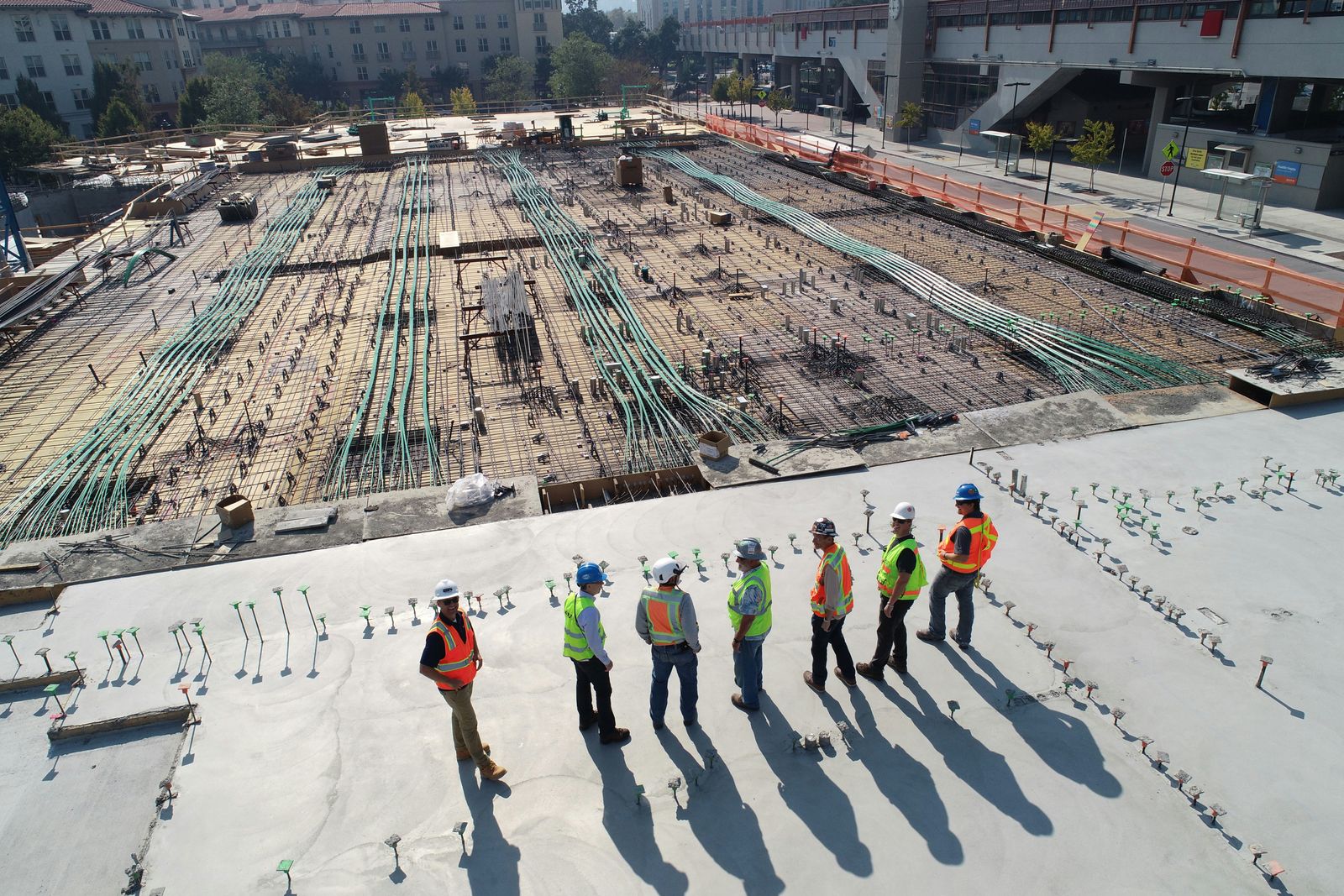
Large construction site with reinforcing steel, embedded services and workers on a concrete deck
Capitol ConcreteInsured & bondedLocally owned
On this page

Define the work

Organize the development by construction stage.

Enabling and sitework

Access, clearing, grading and utility interfaces can prepare the site for later building packages. Their finished condition needs to match what the next contractor requires.

What to consider — Enabling and sitework

Separate temporary construction access from permanent roads, paving and landscape restoration.

Foundations and buildings

Phased or repeat buildings need coordinated levels, structural documents and service connections. Similar footprints do not guarantee identical ground conditions or construction scopes.

What to consider — Foundations and buildings

Identify the issued package for each phase and how revisions are controlled.

Exterior completion

Parking, walks, drainage and final site restoration may follow heavy construction. Their sequencing affects access and the handover of individual buildings.

What to consider — Exterior completion

Establish which external improvements must be complete before each phase can be occupied.

Distinguish a concept budget from a construction bid

Early plans can support discussion of likely work packages and information gaps. A committed construction scope needs clearer quantities, design and boundaries. Record the assumptions behind an early budget so it is not mistaken for a price covering unresolved infrastructure, unsuitable ground or later design changes.

Coordinate shared infrastructure across phases

A utility route, drain or access drive can serve more than one building phase. Installing or closing it at the wrong stage can interrupt later work or occupied areas. Identify the civil designer’s details, connections and temporary arrangements. The construction package should follow those requirements rather than imply that one building plan resolves the whole site.

Keep construction separate from development approvals

Land acquisition, finance, entitlement, professional design and construction are distinct roles. This service concerns the building and sitework packages Capitol can undertake. Bring the assigned team roles and current approvals so construction responsibilities can be defined without assuming that a contractor’s participation supplies financing or planning consent.

From first conversation to completion

How the work comes together.

  1. Map the packages

    Identify the project stage, assigned professionals and construction phases.

  2. Resolve shared interfaces

    Coordinate access, infrastructure and building-to-site connections.

  3. Sequence delivery

    Establish phase handoffs, temporary controls and final site completion.

Working with Capitol

In our customers’ words.

A customer’s experience with our team.

General contracting
Review excerpt:

“Communication was clear and consistent throughout.”

Landon MitchellProperty Manager
Read full reviewClose full review from Landon Mitchell

“I am extremely impressed with the construction management services provided by Capitol Concrete. The team was organized and proactive, which was crucial for our project’s success. They coordinated all aspects from planning to execution. Communication was clear and consistent throughout.”

Before you approve the work

Understand what each construction phase delivers.

A development phase should be defined by usable, accepted work and clear connections to later phases—not merely a boundary drawn on a site plan.

Which shared works must precede the first building?

Access, utilities, drainage and site preparation can serve more than one parcel or building. Identify which enabling works are required for the first phase and which are deferred. A building-ready area may still depend on an off-site connection or shared system outside its immediate footprint. Make those dependencies part of the priced scope and sequence rather than assuming each parcel can be constructed independently.

What should happen at a phase boundary?

Specify the interim condition of roads, excavations, utility stubs and drainage connections left for later work. Temporary arrangements need an owner and a maintenance period. In particular, disturbed ground and runoff controls remain active responsibilities while other packages advance. Mark the handoff on the drawings and state the acceptance criteria, so a completed first contract does not leave an ambiguous gap before the next contractor starts.

How should uncertain quantities be compared?

Separate established quantities from allowances and explain how variable work will be measured, approved and priced. Earthwork, material export and concealed obstructions can change after investigation or excavation. A proposal based on optimistic quantities is not equivalent to one that includes a defined allowance. Compare the measurement basis and exclusions, and establish who authorizes changes before they affect multiple phases or shared infrastructure.

Before the project is handed over

Carry forward available as-built and acceptance information between phases. Identify remaining temporary works and their responsible party; construction scope does not imply entitlement or financing services.

Link to this estimate guide

Your investment

What shapes the estimate?

Project scale, stage of design, site conditions, infrastructure interfaces and phasing affect the level of estimate possible. Early budgets need clearly stated assumptions; a construction proposal requires sufficient detail about the package being priced.

What we can include
  • Review of proposed construction scope
  • Sitework and foundation packages
  • Residential or commercial building coordination
  • Phased construction and trade-scope discussions

A useful first conversation

Bring the project into focus.

Start with the property address and the work you have in mind. Helpful details include:

  • Site location, intended use and current planning stage
  • Available plans and the construction packages you need
  • Team responsibilities, phasing and schedule requirements
Tell us about your project

We arrange a site visit and define the included work, responsibilities and project-specific warranty terms. Changes to scope, cost or timing are documented before changed work begins.

Before you begin

Questions about this work.

All project FAQs
Can we contact you during early planning?

Yes. Send the site and proposed scope. We will discuss how Capitol can participate and identify the construction information needed for the next stage.

Does this include financing or development approvals?

Those roles are not automatically included in a construction scope. Financing, approvals, design and construction responsibilities must be established separately with the appropriate parties.

Your local construction team

Let’s look at your project.

Serving Albany, Saratoga, Schenectady and Rensselaer counties, plus Lake George and Gloversville. Contact us first; consultations are arranged at the project site.

Request a Free Estimate

Planning & care

Read before you build.

Technical reading behind this guidance

General planning references, not project specifications or evidence of a Capitol certification. Site conditions and the agreed design determine the work.